
Bruce Outridge
Artist | Author | Radio & Podcast Producer | Television Host
Change Starts with You!
As the world moves on each year the life of a professional truck driver is constantly in a flux. There are new regulations, undetermined amount of freight, fuel prices that bounce faster than a bouncing ball and wages that seem questionable at times. However the industry goes on and the truck driver prevails. The question is, is that enough? There is no doubt the industry is changing with technology and safety being the front runners, but there is one factor that is going down, the professionalism of drivers. Driver professionalism can be learned to a certain point through training, but when it comes right down to it it is more about attitude and that comes from within. As the demographics for the industry change the professional drivers that were brought into the business by their relatives and were taught about the industry with passion are now retiring. There is a new demographic entering the industry, one that doesn’t have the same passion for the trucking industry that we have once known.

It may seem hard, some reports might paint a dismal picture of the industry, but we need that passion back. The industry will always be there, transportation isn’t going away soon, the mode of travel may change but in the end transportation will remain the key way of bringing products to the public. As an industry we have been looking outside for help with the industry, looking for other ways to bump up our injured industry. We have looked to government, we have looked to schools and technology, but in the end I believe we have to look inside our own people. Outsiders can’t help us because they don’t understand us. As I talk to outside agencies about the trucking industry there is a big misconception to the type of job a truck driver does and the way they are compensated. Contrary to belief there are great companies out there, ones that pay well, ones that have decent equipment, ones that have pride in what they do. Where I hear the grumblings are from inside certain operations themselves. Dispatchers against drivers, Owner Operators against drivers, management against drivers. The turmoil is coming from within.
So how do we fix our flailing industry, how do we make it better to attract the people we want in the industry. We start from the heart of the industry, we start with the passion. I talk with many companies in this industry and the one element I don’t see people teaching is leadership. There are safety meetings, safety talks, company meetings, but no leadership meetings. The people who started this industry early on didn’t start because of the money, they started because of the passion. They started because of their love of the road, the freedom from the office. Why do you think that generations have held positions in the transportation industry. Do you think if it was that bad that many of our former leaders would have let their sons and daughters join such an industry. I agree that the industry has changed a great deal from those early days. It will continue to change because the industry is looking for solutions and as long as you are looking for solutions it brings change.
If this industry is to survive it needs to change, if it is to bring new people into the folds it needs to change, If you want the industry for the future things need to change. Be the first to lead that change, change always starts from within. That change starts with you!
About the Author
Bruce Outridge has been in the transportation industry for over 30 years and helps new drivers have successful careers through career guidance and business advice. he is the author of the books Driven to Drive and Running by the Mile. To learn more about Bruce and his work visit his website at www.outridgeenterprises.ca
Are you Doing Your Job or Just Going Through the Motions?
Everyday in my neighbourhood I take a walk early morning along the lakeside where I live. As I walk through the area full of wildlife, beautiful paths and plant life I am amazed at the beauty of this area. In the spring many babies are born to various mothers of swan and geese variety. It really is the wilderness in the city. Attached to the area is a well known park that is kept up by the city. Once you leave the woods of this area you come into the park area where at the same time in the morning I can see tractors cleaning the baseball diamond, maintenance people checking the pool and so on. There are also a couple of kids hired on by the City to pick up the trash. Although I have issues with the way some are doing their jobs in the park the ones that get me the most are the ones that are assigned to pick up trash. They drive along in a golf cart, one driving, and the other with a long pole to stab the trash they see and put into a bucket. What gets to me is that I am sure they are being paid good money for their work, so the least they could do is get off the cart or at least slow down the golf cart and pick up some trash. After they have passed by me at a high rate of speed I can walk by after them and see trash in plain sight on the path. Was it too far for the pole to stab it, did they even see it? At the speed they drive I bet they didn’t even see it, but their job is not to drive around on the golf cart, their job is to pick up the trash. They are in effect going through the motions of their job.
So I ask, are you just going through the motions in your job? I am going to hope that the answer is no, but some of you may be answering yes. As human beings we are all easily set into our comfort zone and if you work at a place long enough you will get complacent and stop working hard at your position. This happens to all of us and the only way to battle it is to stay fresh through trying to attain new goals or changes within the company. Many feel they are so well integrated in their company that trying to succeed or pushing the envelope is too much work and security will keep them employed. Business has changed as of late however, and it is not enough to go through the motions and hope that your productivity will keep you where no one will notice. As the new people looking for our positions will be coming from schools many of them more educated than we were and giving us a run for our money at these jobs. We have seen this many times before in the movies and news stories. The employee has been at the company for twenty years or more and all of a sudden is handed a pink slip and a package with no notice and not sure what they have done wrong. They may have been doing a good job but was it enough to get them noticed? Was it enough to make a difference? Now I certainly don’t think that every time a company downsizes or lowers their employee count it is based on performance, but sometimes it is.
One of the ways of battling this scenario is to keep trying to attain new goals. Keep the job fresh by reorganizing, changing the way you operate, or improving the team. Keeping yourself fresh is the best way to make sure you are employable in the future.
About the Author
Bruce Outridge has been in the transportation industry for over 30 years and helps new drivers have successful careers through career guidance and business advice. he is the author of the books Driven to Drive and Running by the Mile. To learn more about Bruce and his work visit his website at www.outridgeenterprises.ca
If You Had Trouble Finding Work This Year What Will Change Next Year?
There are many people looking for work in the transportation industry and many companies looking to hire you, however many people still can’t find jobs. Any seasoned recruiter when he or she hears that a person has been looking for work for a long time and has a commercial license their ears perk up saying whoa, what’s wrong with this person? The truth is that anyone with a license and decent record should not be out of work in the transportation industry unless they want to be. The people that are out of work with a commercial license many times have something that needs to be addressed. That doesn’t make you a bad person, it just may be a glitch you have to fix unless you have many infractions on the license. So what will you do next year or next month for that matter to make the situation better?
For instance if you went to apply for a position and you didn’t have the experience, do you have that now, do you have a plan to get it, have you figured out where you need to go to get it? As a consultant I speak to many new drivers in school or potential owner operators. Many say they want to go and work here or they have heard it is good to work over there, but many don’t have a plan to get there. They’re hoping it will all work out in their favour because the industry is looking for many people. Well I have news for you, even though there is a driver shortage, even though many positions are available it doesn’t mean it will be a cake walk into the great job. You may need more experience, maybe your record is still not as squeaky clean as it should be? Those things can be fixed with time and a plan. But what I see much of the time is people get to the door, find it is not quite as open as they thought it should be and turn and run the other way, never to be found again. I had one driver who went all the way through to the final stage of hiring only to be found he had a medical position that does not allow him to run in the US. When turned down he disappeared and when I followed up with him he said he is planning on finding work somewhere else. He may not have been able to cross the border but he could have found a carrier working within Canada. He just didn’t take the time to reevaluate his options. I see this time and time again.
If this is similar to your situation then periodically you should be reevaluating your resume and your goals. If you don’t have the experience needed right now how many of you have asked if there are other positions available maybe in the warehouse, or in the office. It may get you into the carrier in another role and then when you have proved yourself it will help you in the future. Don’t turn at the first sign of trouble, another question may be the one that gets you the job.
About the Author
Bruce Outridge has been in the transportation industry for over 30 years and helps new drivers have successful careers through career guidance and business advice. he is the author of the books Driven to Drive and Running by the Mile. To learn more about Bruce and his work visit his website at www.outridgeenterprises.ca
Snow Strapped
Winter wasn’t the same, for Canada and those old enough to know what weather used to be like during the months of November to April this mild weather could have been considered spring. It was so mild that more people had been seen in shorts and t-shirts than winter coats and boots. The news was telling people that the conditions are changing due to global warming and people were starting to relax. Jim was one of those people who felt that he could beat anything, he was a new driver with only a couple of years experience and was just starting to be awarded longer runs. He had never experienced any problems on the road other than traffic and the odd driving rain.
The company had been awarded a special contract running freight into Denver Colorado. Two trucks would be sent with specialized freight and the boss thought it would be a good learning experience for Jim as he was sending one of his most experienced drivers in the other truck to help him along. Jim was warned that the weather can change drastically in that region and to be prepared for the worst. Unfortunately the worst that Jim had experienced was considered the best for some so he didn’t think of things other than a heavy coat.
The trucks roared out onto the highway. Nothing but clear sailing for the pair and they made good time their first day. The only thing that Jim noticed about his partner was that while Jim had been buying things like chips and pretzels for the road his partner was stocking up on canned goods and crackers. When Jim asked why he was buying that stuff the old timer just kept saying, “You never know!” Jim didn’t understand, but he would. After another day of decent weather and then things started to change, the mountains had a way of creating unexpected changes in a hurry. As the snow started to fall it changed in intensity and turned it icy at the same time. As they approached traffic stopped ahead and the C.B wrung with chatter about the set of trains that had flipped over at the bottom of the hill closing the road. They were now idle with an unexpected wait time ahead. As the hours passed hunger set in. Jim had run out of junk food and was concerned it would be morning before things got underway. The thought alone was making him hungry. With the weather it turned to a 10 hour wait before the accident was cleaned up. Thanks to an experienced driver, and some canned goods and crackers, hunger for Jim would have to wait for another day.
Severe weather, accidents, and many other conditions can change or block our routes to customer destinations. Always plan for the worst and your survival. Food, shelter, and heat should always be priorities to think about on any trip.
About the Author
Bruce Outridge has been in the transportation industry for over 30 years and is the author of the books Driven to Drive and Running by the Mile. To learn more about Bruce and his work please visit his website at www.outridgeenterprises.ca
It’s a free ride, so why try?
I am all for people getting opportunities and being encouraged to work in different industries by government funding. These programs are in place to help people get a leg up and learn a new trade or start a new career in a new industry. Right now in the transportation industry many programs are in place to help people enter the transportation industry. I fully support that and hope those that need it take advantage of it. But do these programs bring the right people for the job or are we just filling seats? That’s what we are trying to get away from. Is it too easy of a free ride for some?
As a trainer I see all types of people come through the classroom and for the most part many are eager to learn and start on their new career. I do however see many who won’t make it and I have to wonder if they are using the program as a free ride. Now I agree that not every person is good at learning in the classroom, I get that, I wasn’t either. But we are not asking you to go to University.My theory is that if you can’t sit through six full day classes then you are going to have a really hard time when you enter the industry and find you can’t keep a job. Will you be any better off? I see people who sleep through the whole class, don’t bring pens or papers to write with, and have all kinds of excuses as to why they can’t make it to class, or why they can’t hand in their exercises. My question is why are you here? When someone is interested in something, has a passion for it, you don’t have to tell them how to learn about it, they will anyway.
My advice is no matter what program is available or how good it sounds, if you don’t have a burning desire to be involved then don’t let someone talk you into that career. You are not helping yourself, the industry, or the programs. Yes people need choices, yes people need chances, and yes people need jobs, but if we are just putting them through the motions so the numbers look good on some graph are we really helping them? The answer might be no!
Good businesses know when to say something isn’t a fit with their services and move on. I am not suggesting we don’t help people but think people are being put in programs that don’t fit with the career that they are entering into. Let’s stop the hamster wheel of just filling seats in our industry. Let’s get people that want to be in those seats and put our industry on top with people who want to be there. We will all be a lot better off in the end.
About the Author
Bruce Outridge has been in the transportation industry for over 30 years and is the author of the books Running by the Mile and Driven to Drive. He is an author, trainer, columnist, and speaker in the industry. To learn more about Bruce and his work visit his website at www.outridgeenterprises.ca
Learn About Inspiring Youth TV
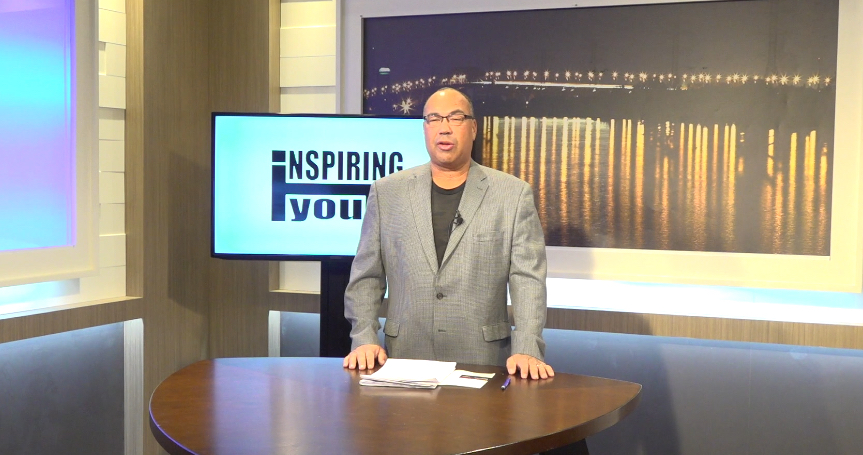
Watch Cashing in on Creativity Television

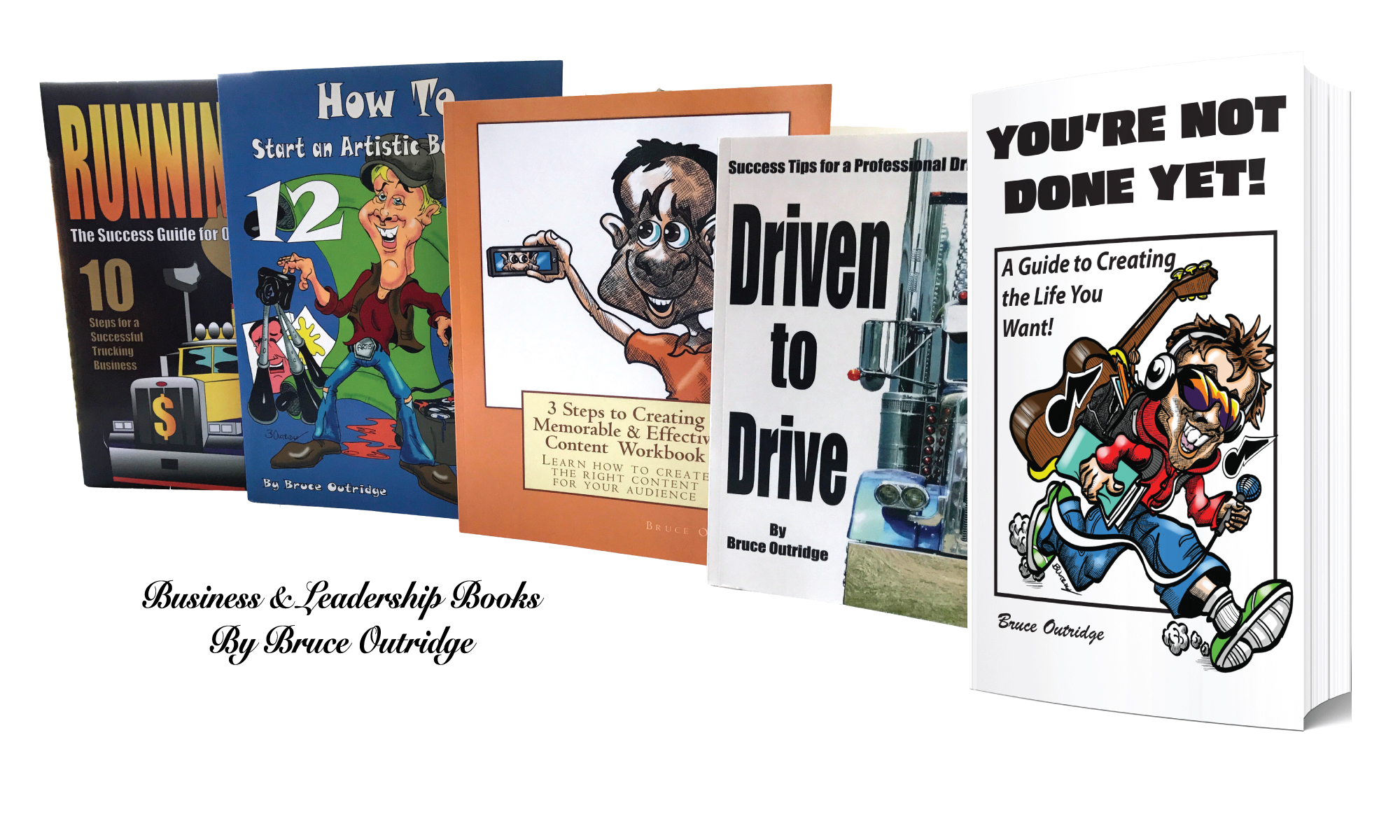
Get Bruce’s Latest Book

Get Bruce’s Books
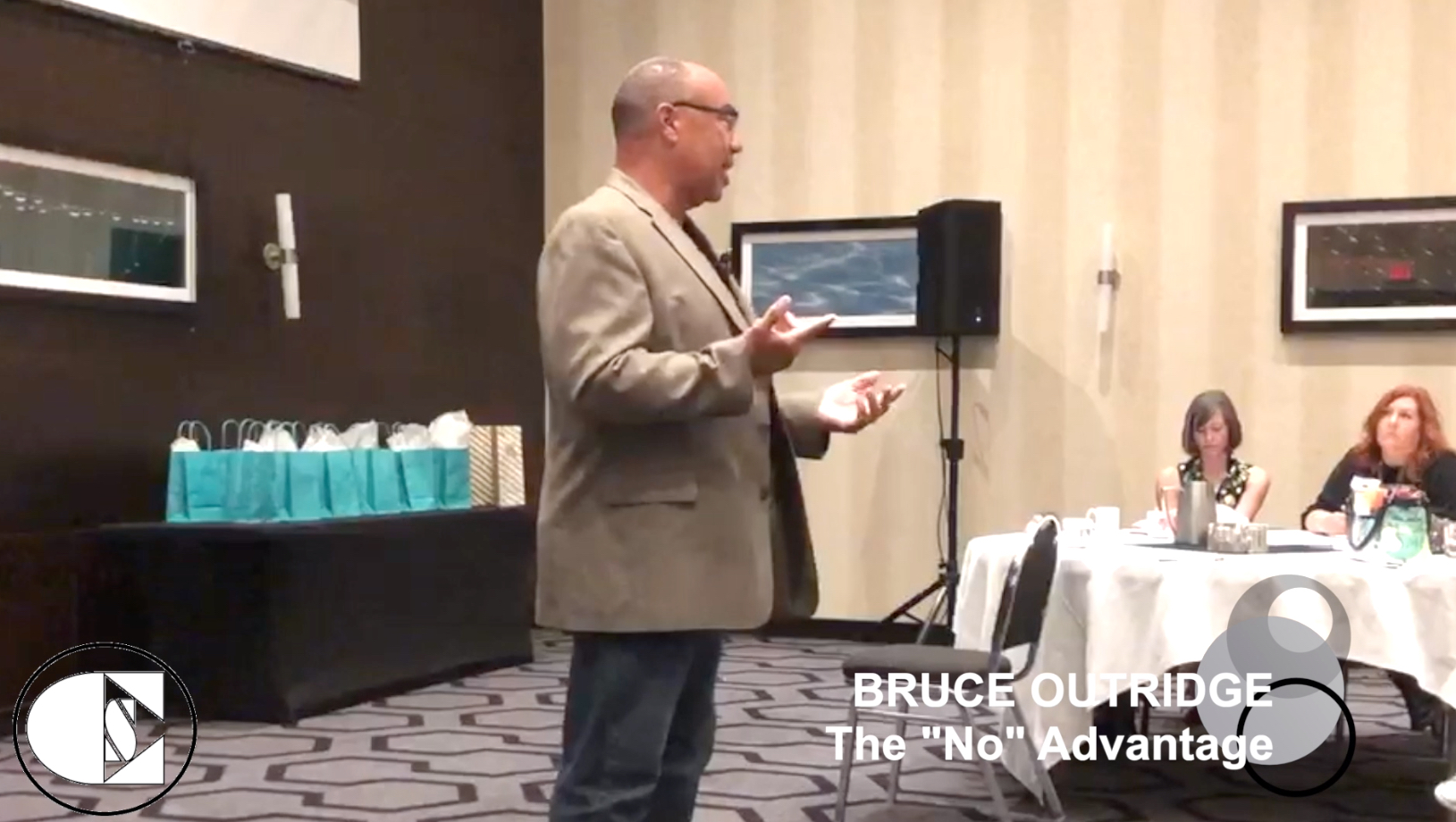
Book Bruce to Speak to Your Group
The Lead Pedal Podcast with Bruce Outridge

 The Lead Pedal Podcast
- An error has occurred; the feed is probably down. Try again later.
Bruce Outridge Productions





 Bruce Outridge