
Bruce Outridge
Artist | Author | Radio & Podcast Producer | Television Host
Strategy is the Secret to Success
It amazes me how many people bounce around the country without any kind of plan or thought to how their time is used and how to enhance their career by being more efficient. This is so true for the professional driver. Many go around the country when they’re told and feel as though they hold the key in their hands. They arrive when they want, and the famous line heard over many C.B. radios is “I’ll get there when I get there!”My question is what time is that? The same driver who exudes his power by saying the phrase mentioned before is also the same one when sitting in the truck stop will belly ache about how many miles they have put in, how they run multiple logbooks, and how when driving they calculate their income and they average $2 per hour driving. The same driver however keeps on going, week after week after week. If you believe you are averaging $2 an hour for your work I want you to take your truck back to your yard, park it, hand in the keys, and quit! There is a job at McDonalds down the road that will pay you at least ten dollars an hour and your family will thank you for the eight dollar an hour raise that you just got, not to mention your kids will love to hang out with you at work. Let’s hope that you did not start in a career that averages $2 an hour as the norm?
Strategy is planning and is one of the 12 steps to becoming a professional driver. The driver that does not plan does not have a successful career. You should be planning everything you do, you should be planning on delays, and you should be planning for running profitable. I have seen drivers do everything from try to stay out longer so they don’t have to do a certain run to running certain areas for prestige like California. It may feel good to tell someone you run California and you are a big time trucker, but if you’re not making any money what is the point. The successful drivers I know running California have it down to a science, they plan their trips.
Here are some tips to help you strategize your week. Always deliver your first load of the week on Mondays if possible. Arrive at your destination the night before so you are fresh and have hours to run the next day. Aim to put in five hundred miles a day for five consecutive days; your goal is 2500 miles per week. Calculate your border crossings and delivery income to maximize efficiency. Don’t go home during the week unless absolutely necessary. Better to stay in work mode and get the job done, it can be hard to go back to work after being home most of the day. Plan out your time, miles per month, miles per week, and miles per day and be consistent, If you can do that you will go a long way to giving yourself a raise as a professional truck driver. Good luck with the planning and I hope if I see you at McDonalds you are in line to buy a hamburger.
About the Author
Bruce Outridge is a business and leadership consultant for the transportation industry. His 30 years of experience from driver and owner operator to supervisor gave him a successful career in transportation. He now helps professional driver become successful in their careers and their businesses. For more information on Bruce and hid services visit his website at www.outridge.ca
Organization – It all starts with you!
“You don’t need that stuff! It’s just holding us up!” yelled the dock worker. The driver kept to his work as if not to hear the man yelling in the background. To him it was important, it meant pride in his load, excellent customer service, ownership of his position, the difference between mediocre and outstanding, it meant he was organized, he placed the plywood in between the skids as the forklift set in the final piece. He strapped the rear of the load and proceeded to count and sign off the paper work. The shipper becoming more impatient by the moment and was already starting to get the next driver lined up to back into the dock. To the shipper it was all about finishing at 4:00pm. To the owner operator who had just loaded the freight it meant the difference between a damage claim and a profitable run. The freight was now in his control and as far as he was concerned this was now his own customer.
How many of you have run across this situation out on the road? In my 25 years of driving I have seen this many times. To most shippers it is all about getting the freight out the door so they can go on break, or go home at the end of their shift. Some places you are not even allowed to watch the shipper load your truck. But when you think of if who is responsible for that load once it leaves the dock. I can tell you it is not the shipper. Even worse if it is loaded improperly it can cause everything from damage to overweight fines, to possibly death in the event of a crash or rollover. Even if you make it safely to the customer’s door if the freight is all over the floor what does that do for your company’s customer service or insurance record.
The truth is organization and being orderly starts with you. How you set up your truck from the beginning, the type of equipment you carry and so forth all shows the shipper and receivers the type of driver you are and how much you care. Now some operations it may be harder to do, but for many especially those that are running dedicated equipment this shouldn’t be a problem. Carrying things like plywood on your truck, extra straps and load bars all go a long way to being a successful driver. It is your right to know what is inside your trailer and how it is loaded; in fact it is your responsibility.
So what can you do when arriving at shippers to make sure you are loaded properly? The first thing is to have a well organized trailer from the time you back into the dock. Ask to watch the load loaded and count the pieces going on the truck. Educate the shipper on the type of equipment that you have and the best way to load it for maximum weight. A 10 foot one inch axle spread is loaded completely different to a tandem dry van trailer. Secure your cargo even if the shipper doesn’t feel it will move on you, it will! Finally confirm your piece count and if you can’t sign the bill of lading stating count unconfirmed by driver and have the trailer sealed. If you just sign what is there you are now responsible if the freight count is short at the other end. Being an organized driver is up to you and may seem like more work right now, but in the end your career and pocket book will be better off for it.
About the Author
Bruce Outridge is a business and leadership consultant for the transportation industry. He has over 30 years experience in the industry and helps drivers and owner operators be more successful in their careers. For more information visit www.outridge.ca
Can They Count On You?
When I write about business and entrepreneurship for my blogs and columns I often talk about creating a brand for yourself as your name is one of the most important parts of your identity. If you can’t be trusted it doesn’t matter how good you are at talking with people or how good the product or service is that your selling. In transportation the idea is no different. Your company wants to know that you can be trusted with their thousands of dollars worth of equipment and that you can handle the freight that may be worth millions of dollars. They also trust you will arrive at the appointed time for delivery. In other words they are putting their trust in you, in your abilities based upon previous performance. Needless to say that you have follow the rules and regulations of the road and do it in a timely manner. After all your name is at stake and integrity is everything. Don’t believe me just ask any dispatcher or terminal manager who they rely on when the going gets tough, when the load has to get there without problems, when there is high dollar freight involved? It’s not that driver that never arrives on time, drives like a maniac, and could care less about customer service.
It can be a double edge sword to be the good professional driver. It can be great for your career and your pocket book as you get higher profile loads, dedicated runs, are asked to move freight for larger clients and so on. With a good name in the industry it can take you along way even into the ranks of management and beyond. However there is a small downside, you get more work. Now most of us are looking for the miles so that isn’t always an issue, but as you become more of a brand and someone that can be counted on you will find you are asked to do more above and beyond the call of your job.
For me I was known as the clean junkie, washing my truck before each run, keeping it looking good at all times, well that would get me working the parade route for our company. It was fun at first, but as the years went by the preparation time before the parade got shorter and shorter until one day arrived home from a run and didn’t even have time to wash the truck because the company knew it would be the clean even without the wash. This happened at several companies and today I don’t even like parades. This however is a small price to pay for a good name in this industry. The recognition of being a quality driver has taken my career to heights I never imagined and has opened many doors within this industry.
If you are looking at a long career in this industry then integrity is everything. It will help you create income and help you come back from setbacks. Integrity is what you do, who you are, and who you stand for, integrity is your brand. Protect it like you would your children.
About the Author
Bruce Outridge is a business and leadership consultant for the transportation industry. He helps professional drivers and owner operators have successful careers. More information can be found on his website at www.outridge.ca
Is it Time for a Career Change? Project Planning for Staff.
Marsha walked over to Francine’s desk with an armful of papers hoping to get some help with an assignment due over the next week. As she approached her desk it became apparent that this would not be an easy conversation, Francine had that look on her face, intrigued with her cell phone, and certainly not interested in talking about a new project. Marsha was very nice as she approached her desk and was hoping it was just her mind playing tricks with her. Marsha began, “Francine I am really overloaded right now and would like some help on a project. Would you mind doing some research work for me?” Francine scrunched up her face and replied, “Marsha I don’t do research work, I have been here ten years and I have passed the stage of doing
research work, get a student to do it!” Marsha was stunned since Francine was Marsha’s assistant and her job description was basically to do what Marsha asked her to do. The research work got done, but not without the usual fight and tension that always seemed to accompany the task in question.
How many of us have seen this type of scenario in our office space or place of employment. It doesn’t seem to matter what industry you are in, there always seems to be one person at least in each office, maybe that person is you. There are three reasons for this problem, entitlement, laziness, and complacency. I have seen this happen many times in the past within my career and if it is left alone too long it can be very hard to stop or change later on. Many times this is because someone has been in their position for a long time and now feels above doing work that they believe is below them, maybe they have been promoted in their mind because they stopped being asked to do mundane work on a regular basis, maybe it is time for a career or job change?
How do you deal with someone in this position? The best way is to curve the behaviour before it gets too far along, and the best way to do that is through a regular performance evaluation. The second way of helping that situation is to make sure you are mixing up the work on regular intervals. To do this you have to almost create a project plan for your employee and the best part is you don’t have to tell them. To create your project plan look over the job description for your employee, this is also something that should be reviewed in the performance evaluation as well, and plan their workload. You would start with their basic duties that are the staple of work that happens every day. Then you might give them a project once in a while to help them grow, to feel like they are climbing the ladder so to speak. After the large projects give them something that is within their job description, but that they don’t normally do such as research work which may be at the other end of the scale. This way you are creating a wave and dip system for their position so they don’t get the feeling that all they ever do is major projects and never have to do any grunt work. If you want them to work on the major projects all the time then give them a proper job promotion or maybe it is time for a career or job change. I’ll
let you be the judge of that.
About the Author
Bruce Outridge is a leadership and business consultant/ speaker helping supervisors and their operational staff create successful careers. Bruce is a regular comunist in many magazines and blog in the transportation industry. For more information visit his website at www.outridge.ca
Pairing Employees for Success
Do you have one, two, maybe three employees that given the authorization may not be working with your company in the future due the amount of problems they seem to have? Everyone does, I don’t know any companies that don’t have this problem. In this day and age it is a very big problem to get rid of an employee without significant documentation. Many times due to labour laws you might even be stuck with them, so what do you do? One thing that many supervisors forget is that the employee may not listen to you outside of a direct order, but they may listen to someone else on your team. So if things aren’t going your way anyway why not try some out of the box thinking. Pair the employee up with another team member that you they get along with and see if they can change some habits. Sometimes if a person is shown a different way of thinking about situations, gets a chance to talk with someone who is not in an authoritative position it can help to break down walls. Some employees will do this naturally and other times you need to push them into the situation a bit to see if it works.
If you have an employee that is always having trouble in a certain area and you have tried multiple times to get them to change then try this; Find an employee you can trust and see if they are willing to show this other employee the way to do the task the right way. Maybe have them job shadow for a week with them or check on them once in a while. You don’t even have to make a big deal of it, try keeping it casual and see if a bond is made naturally. There are many benefits to doing this. You get a second set of eyes to evaluate what the problem is, whether it is an attitude problem or an application issue. You’ve given the employee another way of
completing the task, in essence extra training, and you’ve proven that you’re willing to work with this person to help them be successful. If the pairing doesn’t work you are no worse off than you were before you started, and at least you have had a second set of eyes to evaluate the problem. Remember some people learn by doing, some by watching, and others by listening, so be open to
out of the box methods to help your team. By doing that you will create a better team environment, and hopefully eliminate some bad behaviours.
About the Author
Bruce Outridge is a business and leadership consultant. He has over 30 years of experience in the transportation industry. More information can be found on his website at www.outridge.ca
Learn About Inspiring Youth TV

Watch Cashing in on Creativity Television

Get Bruce’s Latest Book

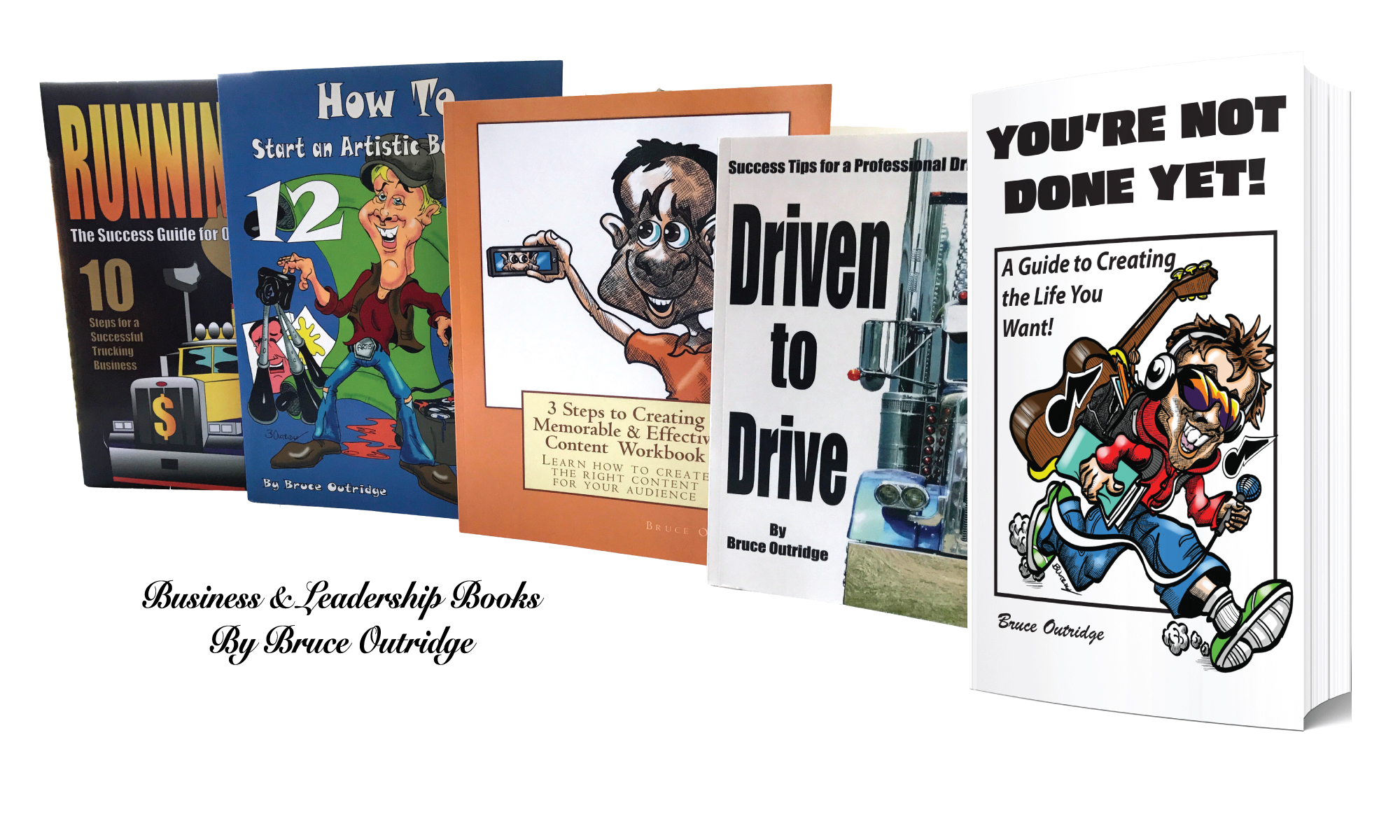
Get Bruce’s Books
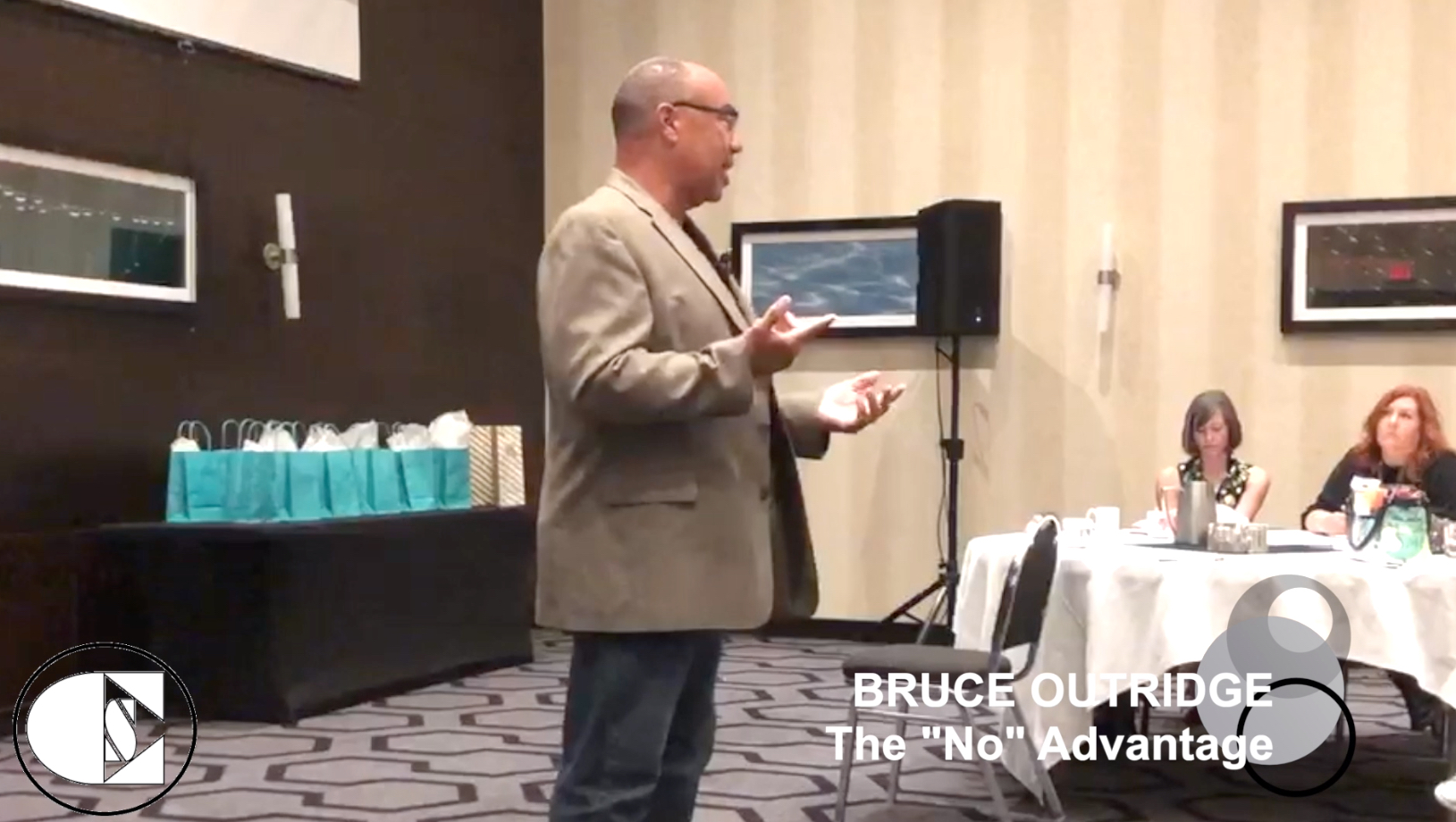
Book Bruce to Speak to Your Group
The Lead Pedal Podcast with Bruce Outridge

 The Lead Pedal Podcast
- An error has occurred; the feed is probably down. Try again later.
Bruce Outridge Productions