
Bruce Outridge
Artist | Author | Radio & Podcast Producer | Television Host
The Power of a Budget
Ah the budget process, nobody likes it, we all shy away from it, yet it returns to haunt us every time. People shy away from it because it shows them where they really are with their business and their life. It can be a very daunting piece of the puzzle but is one of the most important items you can complete when becoming an owner operator. If you try to get away without completing the budget process you will find that you will be at a loss as to where your money has gone. I believe that is why many people don’t do the budget because they feel they will have to stick with it or they will be a failure. The fact is that you risk failure without it. By missing this important item you will have nothing to compare your profit and loss statement to know how you are doing in your business. I recently met with some owner operators that were just starting out. They felt the best way to approach compensation with their truck was to take half the money for themselves and leave the rest for their truck. When we completed the budget they could see that they were quickly taking themselves deep into the barrel of despair.
If you are an owner operator it is your duty to run your truck as a business owner, it is your job to make sure your company is running successfully. A budget will be one of the first things you do to make sure you can afford to run your business. You should then match that budget with your profit and loss statement on a quarterly basis and again at the end of the year. Review items that seem to be out of control and look for other options that may help bring your budget back in line. Remember that this process is ongoing and not something that should be done just once and then stopped. The true successful business owner is watching their business for opportunities and ways to improve their success rate.
About the Author
Bruce Outridge is a business and leadership consultant for the transportation industry. He helps people set up their business properly and guides them on the road to success. More information can be found on his website at www.outridge.ca
Honesty is the Best Policy
Things to day are quite different than they were years ago in the transportation industry. For instance more items are going electronic, you now have to be a smart cookie to handle a big rig and keep up on all the regulations for being in compliance, but some people for whatever reason just don’t seem to get it when they start on with a new company. Nowadays they have a way to test for much of the practical knowledge required for the position of commercial driver, but some companies are still taking your word that you know what you are doing.
You know what I am talking about, the guy who comes in to the job claiming he has done it all under the sun from flatbed to reefer, and steel, but is only 22 years old. Of the guy who feels he is too cool to listen to the trainer and doesn’t listen to the instructions in case something new is required when loading. There are many of these types out there and I have seen many come and go in my time at the wheel. If you watch them closely you will find that they don’t really know what they are doing and usually will screw up with a load in a very short time because they didn’t listen when being told how to do the job. That is why so many companies have started training programs so people won’t get into trouble in there first few weeks of employment. Those are the people that give the industry a bad name and I am not saying that things can’t happen but as a professional driver it is your job to make sure that you have done everything to the best of your abilities in securing your load or operating in a safe manner.
So what is the best course of action to making sure you are working at your best. The first part is to know what you should be doing, know the regulations, and have the proper equipment to get the job done. Be organized, this is a big one with me, you have to keep an eye on your equipment and know what is becoming too worn to do the job and what is ready for replacing. Being organized not only helps you track your equipment but also makes you look much more professional in front of the shippers and receivers. Have you ever seen a driver that looked like he had to unload his truck before beginning to load because he kept it such a mess, I have? If you are required to use a certain amount of straps for your load, but feel it would be safer with an extra one go ahead and use it. I have never seen anyone given a ticket for going beyond the regulations to be safe. The same thing goes for checking your load, if getting that load down the road safely requires that you stop a little bit more to make sure it is safe then do that. It doesn’t matter if you are only required to stop once. Leadership means stepping up to the plate and being a professional can mean the difference between saving lives and staying employed.
About the Author
Bruce Outridge is a business and leadership consultant for the transportation industry. Information on his courses can be found on his website and blog at www.outridge.ca
Should You Incorporate Your Business or Not?
As I speak with many new drivers and owner operators I get asked the question quite often as to whether they should incorporate their business or not. There are some very important things to think about when deciding on moving forward with incorporation, however most owner operators don’t look at the total picture. Much focus on the cost and the cost can vary because it is based upon the assets you have for your business and the type of business you are in, but these costs are small when you look at the big picture over time. The costs are also a lot less in the beginning as opposed to later in your business when you have more assets to worry about. Your costs also will go up for bookkeeping and accounting fees, but again that will help in the long run to keep your company viable. Even as a sole proprietor you will have those expenses just on a smaller scale. So let’s look at the benefits of incorporation and why it is a smarter choice for the long term.
In my mind anyone who is planning on making $80,000 or more per year in their business should look at incorporation, maybe not the first year but eventually because it will help tax wise and show that you are in the business for the long term. Many people view sole proprietors as people not very serious about their business. If your business has opportunities for you to be sued or have other liabilities then incorporation is important because it helps to protect your personal assets. Some larger corporations will not work with businesses that are not incorporated so incorporation helps you with contracts and other business options. If you are looking for funding options many banks and financial institutions require that you be incorporated. Tax breaks are one of the most important advantages to being incorporated as corporations are taxed at a lower rate than other types of business models. That advantage alone is enough to offset the cost of incorporating. If you ever wanted to sell your business or parts of your business you need to be incorporated to sell a business. The other major advantage is that as a corporation you become an employee and are able to regulate your salary to be the best tax situation for you personally. This helps you pay a much smaller tax rate helping you save much needed cash flow. So how do you set yourself up to be incorporated?
There are a number of ways to do this. If you are just starting out in your business then you can complete the filing application online. You can also visit your local small business development centre and complete this at their office. If you have many assets to include in your business or if you feel that the process may be too involved then I would suggest working with a lawyer that works with business law. In all cases I would suggest getting advice from people that understand the incorporation process. Incorporating online can range anywhere from $250 to $1000 and lawyers would of course have additional fees. Remember that you are going into business for the long term and part of your success comes from starting your business out on the right footing. Structure builds houses, roads, and businesses. If you don’t have a plan then you will have a hard time knowing if you have reached success in your business.
About the Author
Bruce Outridge is a business and leadership consultant for the transportation industry and entrepreneurs. More information can be found on his services at www.outridge.ca
Setting Goals as an Owner Operator
If you ask most owner operators what the goals for their business are most would tell you to make it down the road safely and come out with some money in their pockets. While that may make a lofty operational goal it doesn’t help you in the long run to be successful. Some mention just making their truck payments, others want family time and so on. These are all fine goals, but are they structured enough to get you to where you want to be? The answer is no, goals to most people mean dreaming and that is why they don’t usually work. Goals need specific items in order to work and to do it right require planning and soul searching in a quiet place when you are rested and alert. So what kind of goals should be important to you as an owner operator?
I am assuming you got into business to be successful, I am also assuming you plan on being in business for many years to come. That being said I am strongly in favour of having short, medium, and long term goals. I also like to set monetary and personal time goals. Let’s talk about the time goals first, take out a piece of paper on a day when you are rested and relaxed, if married this is a good exercise to do with your spouse as well and figure out where you want your business to be in 6 months, 1 year, and 5 years. A goal for that area may be to pay off your truck, trade up to a newer truck, may be even have additional trucks. May be your goal in 5 years will be to retire or slow down a bit, if so how do you do that, what needs to be in place for that to happen, how will you get there? A six month goal may be to increase revenue by 5% over the last quarter and so forth. Maybe your goal is to increase your personal time at home, how will you accomplish that, can you get a second driver; manage a small fleet of trucks you own as opposed to driving one full time. What will get you to that mark? Monetary goals are the same but are even better because they do two things; they force you to look at your numbers, and they work in conjunction with time goals which helps you succeed. To set monetary goals look at your most important paper that you have, your profit and loss statement. Start there and figure out where you want to be in a certain time frame such as the ones above. Do you want to cut certain areas of expenses, maybe you need to make more miles, etc?
To make the goal setting experience work you need to put hard numbers on everything. So if your goal is to increase your profit margin by 10 % also include a figure such as $1000. Then you have a hard goal to work with. The second thing you must do is put a date on your goals. This helps give you a specific time in which to work on your goal. With these specifics you can now create an action plan to achieve the goals making you successful. Just going through this process will put you in the 10% category of successful business owners. You know what they say, if you fail to plan, then you plan to fail!
About the Author
Bruce Outridge is a business and leadership consultant for the transportation industry helping truck drivers and owner operators be successful in their careers and businesses. More information can be found on his services at www.outridge.ca
Learn About Inspiring Youth TV
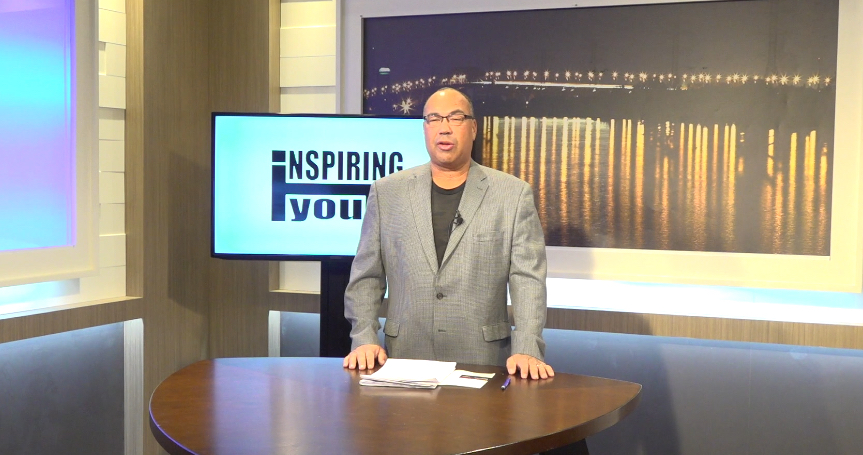
Watch Cashing in on Creativity Television

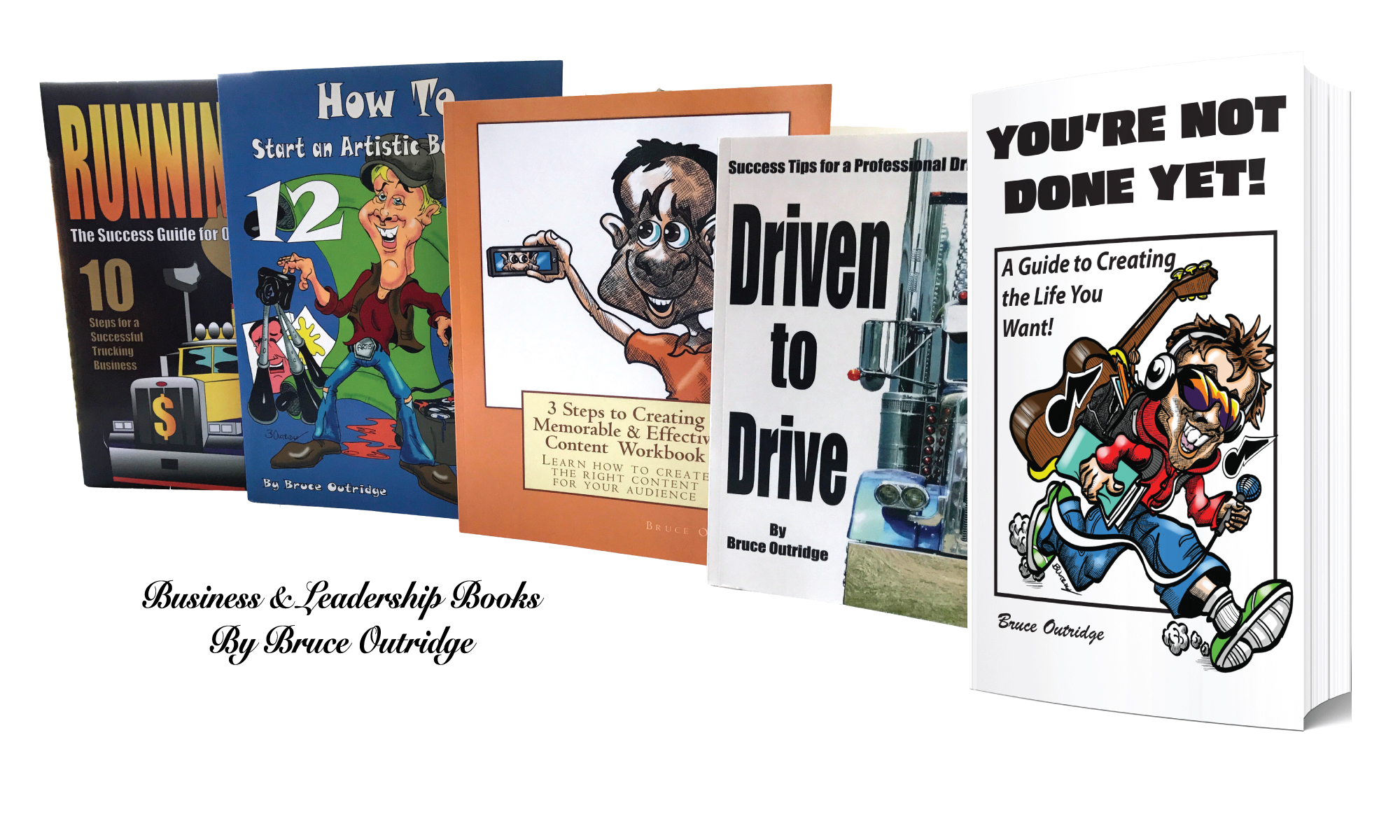
Get Bruce’s Latest Book

Get Bruce’s Books
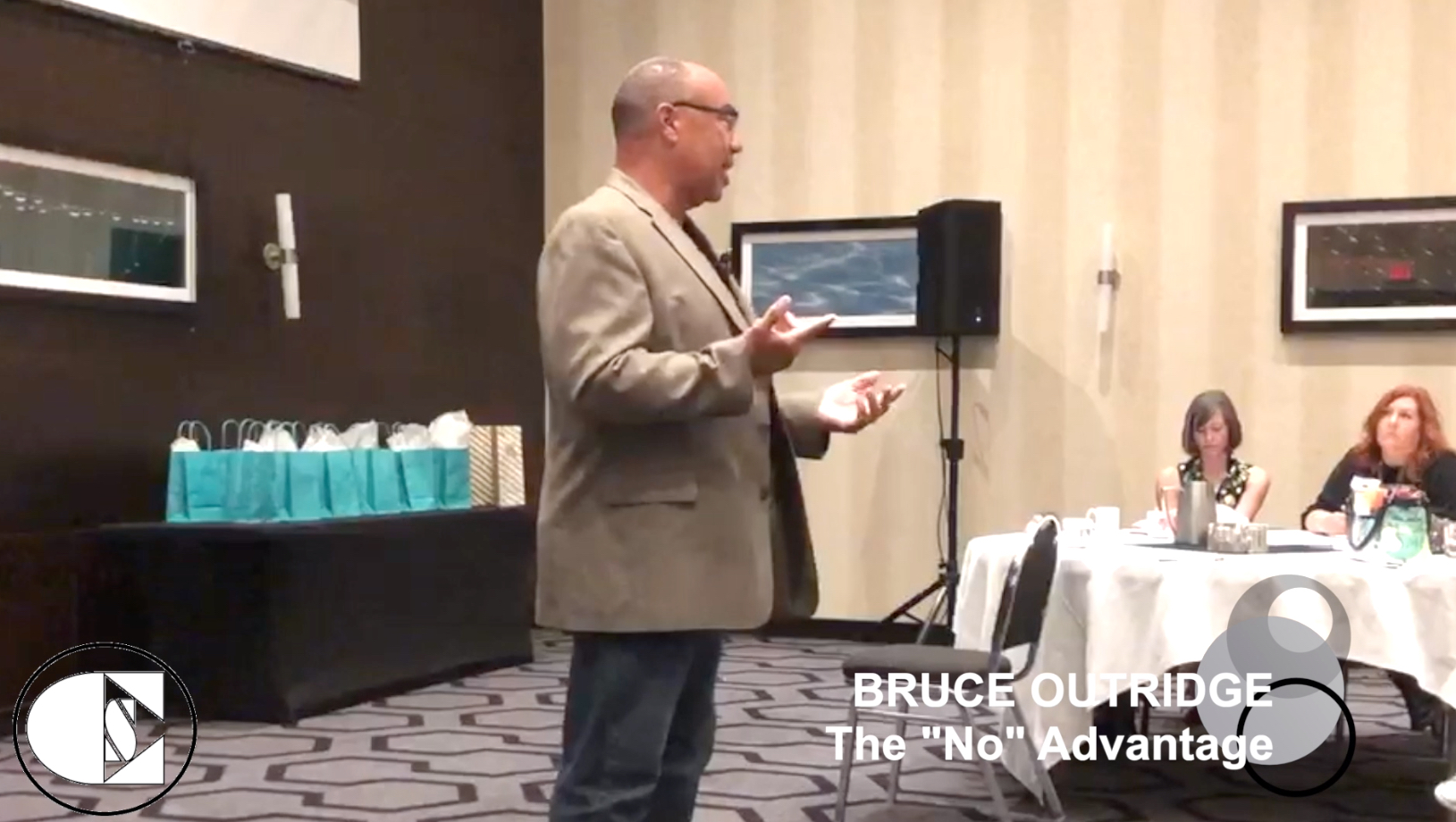
Book Bruce to Speak to Your Group
The Lead Pedal Podcast with Bruce Outridge

 The Lead Pedal Podcast
- An error has occurred; the feed is probably down. Try again later.
Bruce Outridge Productions




 Bruce Outridge