
Bruce Outridge
Artist | Author | Radio & Podcast Producer | Television Host
Increasing Profits as an Owner Operator
If you are like most, this time of year is slow for many of us in business except those in financial services or health and wellness. You may even see this in trucking depending on the amount of freight and quality of contracts that companies have on board. As an Owner Operator however it can be frustrating if the miles aren’t there at this time, so how do you keep yourself motivated to keep moving forward. There are a number of ways to work with your business to help make it better for the future.
1) The first thing you should do is evaluate the carrier you’re with to make sure they have enough freight. Don’t just evaluate your findings on one or two periods but look over one to two years and see if they always get slow in certain periods or if they generally have problems getting you miles. If the problem is miles and nothing has changed this year to improve that then you may want to look at another operation.
Look at your own operation are you operating as efficiently as you should be? Could you be managing your business better, increasing your cash flow, or managing expenses better. Many times even little things like improving your bookkeeping and organizing your operation can help you find overlooked items that may be costing you money.
Match your statements from the carrier with those of your business to make sure you have been paid for money and work that has been done. Too many times I have seen owner operators that don’t look or keep track of items on their statements and don’t know if they have been paid for work completed or not. Many times they are leaving money on the table that isn’t being accounted for in their operation.
Evaluate your fuel consumption, get out all your statements from your fuel payments, take out your logbooks and sit down and figure out how many miles you are getting to the gallon with your truck, hopefully you are doing this on an ongoing basis but if not you may find that it is time to upgrade your truck to increase your fuel mileage. One or two cents a mile can be a big increase in revenue for your business.
Increase your time management, look at how many times you have been late, your delivery schedule, are you sitting more than running and so on. Time management is crucial to any operation and that is the same for owner operators. If arriving at a customer late puts you at the bottom of the list for a return load then you may be costing yourself more than your making.
These aren’t all the ways to increase profits in your business but they are areas that cost you much money if not looked over on a regular basis. The smart owner operator is the one that makes money leaving the rest sitting in traffic.
About the Author
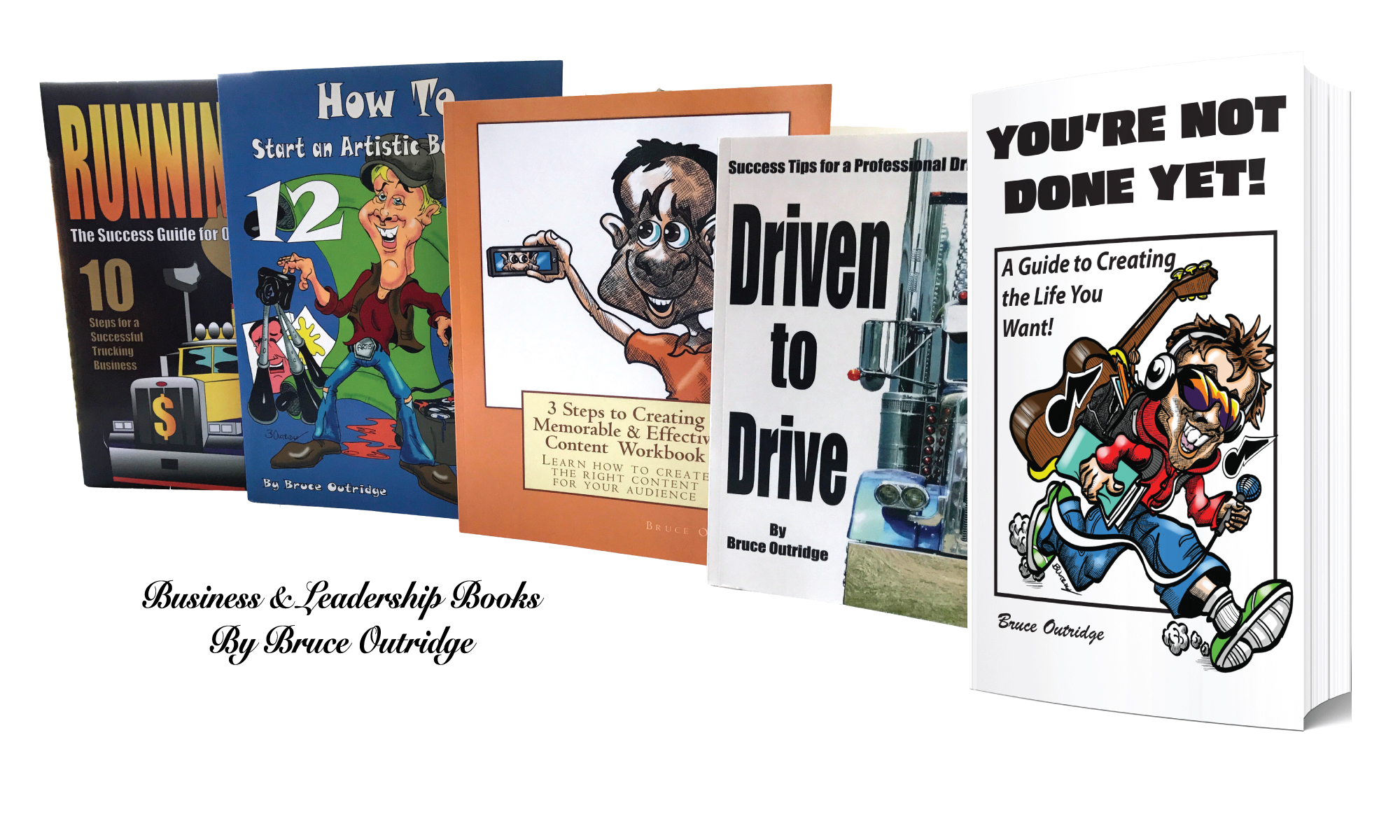
Bruce Outridge is a transportation consultant and author of the book “Running By The Mile” among others. For more information visit outridgeenterprises.ca
Good at Trucking or Good at Business?
If there is one thing I have found out over my time and I see it time and time again is that just because someone has been driving for a long time are think they should go into business. Usually they think that everything they need to know is in the details of the job they’re doing when in fact it is a whole different set of skills that are required. Knowing how to drive, clear customs, read a map, and spin a trailer into tight spots makes you a great truck driver, but shows you nothing about business. This has crept into my life a number of times and continues to show me where people make grave mistakes. I am all for entrepreneurship and talk to many owner operators about having successful businesses, but at the end of the day it comes down to mindset. You have to have the right mindset to succeed and if you don’t you had better partner with someone that does.
When I sold my stake in the moving truck business I had with a partner I went to the freight side of life working for a very small carrier. They only had two trucks and an owner operator and were great people. They had hearts of gold and had more trucking stories than all of us put together. They were team truck drivers in a former life and thought they could start their own trucking company. Needless to say, they didn’t last very long and eventually went out of business. Thinking they knew how to run a business was their downfall, they knew about trucking, they knew what they needed in the ways of equipment and bought used trucks. They thought because they were running around the city they could manage on minimum maintenance budget, or now that I think of it no maintenance budget and get by without any problems. They started as an independent trucking company with one truck and tried to expand too fast without the proper network in place therefore bankrupting their company. Under capitalized businesses are very hard to keep going, you need to work extra hard or have deep pockets. I see this all the time, people get into a truck and get in way over their heads. As a consultant for many owner operators I see many that think going to a truck show and investigating carriers is their version of doing their homework. I learned a lot about what not to do working for that first carrier. I am always suggesting people do their homework before getting into business.
There are many ways to do this, read books on the business, learn the basics of how bookkeeping works, and the tax implications. Hire someone to guide you in the right direction and put in place major building blocks to your business such as accountants and lawyers. If your contemplating going totally independent then learn about marketing, dispatch, and making relationships with different load establishments. If you think because you are a good driver you can make a good business owner, then think again, you haven’t done your homework.
About the Author
Bruce Outridge is a transportation consultant with over 30 years of experience and is the author of the book Running By The Mile. For more information visit http://www.outridgeenterprises.ca
Are You Drug Free?
There are many people who should not be on the roadways and we have met them all. They never signal, can barely see over the steering wheel, or just aren’t sharp enough to know how to follow along with traffic. We see those individuals every day and they are no surprise. Then we have the folks on the other end of the spectrum, they drink too much, are high on drugs, and are always in trouble. Again we hope these people don’t get on the road as when they do damage it is very serious, but what about those people in between, you may even be one of them and not realize it. Those are the people that drink occasionally, are recreational drug users and so on. These are the people that are drug free most of the time except they have a drag of that funny cigarette at the Tuesday night hockey game, or they play hockey or softball on Sunday mornings with the team, go for chicken wings and a beer and then leave for work later that day. We have all done it and for the most part there is nothing wrong with it.
What we usually forget is that the drugs or alcohol stay in the system far longer than many of us realize. I went on the internet to get some background information for this article and was surprised by what I learned. A website named http://www.passyourdrugtest.com had some alarming statistics. Alcohol can stay in your system for a very long time. Most of us think of the 12 hour rule, but that is just for the blood work. It can stay in a urine test for up to 3-5 days, in your saliva for 1-5 days, and in your hair samples for up to 90 days. Marijuana is even worse, if you use it 1 time it will last up to 5-8 days in your system. Use it 2-4 times per month and it will last 11-18 days in your system.
Now I am certainly not saying that all people that play sports are bad but many times these type of things are going on in dressing rooms and cars around the game. I like my beer like anything else but many of us don’t understand the time that these things stay in your system. With random drug testing around you certainly don’t want to get caught for fun that you had a week ago. Being a professional driver is not only being aware of the past and present actions, but those that may get you in trouble in the future.
About the Author
Bruce Outridge is a transportation consultant and author of the book Running By The Mile and Driven to Drive. For more information visit http://www.outridgeenterprises.ca
Save Money by Understanding Taxes
As a business owner it is important that you at least understand the basics of how taxes work as it is a reality of being in business. Now I don’t for any instance think or encourage you to take taxes on by yourself, that’s why accountants were brought into this world and the world of taxes both personal and business will make you pull your hair out. An accountant for your business is a must, but taxes need to be paid and can greatly affect your bottom line if you don’t at least understand the basics of how they work. I am going to generally outline the basic three that will affect the Owner Operator and I encourage the business owner to dig even deeper to learn how you can save money by working your tax situation out to your best advantage.
Realize we all need to pay personal taxes and those are created from your wage, earnings, deductions and so on. Depending on the setup of your business you may be taxed on the amount of money you made from a wage in your business or the total earnings of your business. This is one of the reasons I encourage Owner Operators to become incorporated and take a wage from their company. Personal tax rates are higher than corporate tax rates so you will be taxed on the wage at the personal level, and the company will pay corporate taxes on the rest which are much lower. if you are Sole Proprietor you will pay the personal tax level on the total earnings of your business. The rate goes up over $150,000 where most Owner Operators operate. Talk to an accountant about the tax rate for your business, you may save money by restructuring your business.
The other big tax for businesses is the HST / GST in Canada. This tax is based on products and services bought and sold in the country with the tax rate changing based on the Province. With fuel this will be a big one for the Owner Operator. It is mandatory for businesses making over $30,000 per year and the tax works on a plus minus type of scale. For instance if you make $100 worth of income plus HST the total (Ontario) would be $113.00. If you bought $80 of fuel and paid HST you would pay $90.40. If you subtract the HST amounts you would have $13-$10.40 =$2.60. When you file your HST return you would have to pay the $2.60 with your return. Understanding how this tax works and learning with the advice of your accountant when is the best time to purchase products and services may save you money on your taxes. This tax applies to everything in your business so it is important to understand its implications.
Fuel tax is one of those mysterious taxes that Owner Operators may or may not know about depending on the company they’re leased on with. You may have been working with the system and not even realized it. The fuel tax known as IFTA (International Fuel Tax Agreement) covers all of North America and is meant to even out road taxes paid by trucks to the Provinces and States they have travelled through. This changes constantly based on the areas travelled and is very hard to understand for most. Some companies do this for the Owner Operator, they may charge it back, or may count it against the fleet. Any Independent Operators will have to get this done on their own. It is a matter of recording the miles or kilometres traveled on each trip and charged against any fuel bought in that State or Province. For instance if you buy fuel in one State but don’t travel very many miles through that State the money you paid may be counted against the miles you traveled in Ontario or another state. You can save money here if you look into the areas you run the most and calculate the best place to buy your fuel, however that calculation may not offset the price at the pumps. If you feel you are paying more fuel tax then doing some tracking in the way you operate, it may be the best use of your time.
About the Author
Bruce Outridge is a business and leadership consultant with 30 years experience in the transportation industry. For more information visit his website at http://www.outridgeenterprises.ca
Beat the Odds, Be Creative!
Are you intimidated by other people and the education they have after years of schooling. I often found it to be very intimidating to learn about the amount of University someone has, or how they hit straight “A”s all through school. I was never one of those people, my goal was to get the hell out of there and get started in life. Academic types don’t like to tell you that however, often if you can’t handle school you are doomed from the beginning. Now before you get all bent out of shape and start coming down on me about school realize I am not down on school. I attend seminars and now love school. I am seeing it from the other side however and although education is important it is not everything. I believe the schools lose a lot of good kids that’s just haven’t found something that grabs their attention and gives them focus.
In school unless you are attending some type of College or University course on business you usually won’t hear anything mentioned about business. Even on Career Days in schools much of the time the people brought in are working in jobs such as the trades, emergency services and the like. When was the last time you heard of an entrepreneur come into the class and talk about the business world and what you need to get clients, develop products, and create a world that has them doing what they love. My bet is never! Book education is everywhere and you have to learn your own style of learning. The part they don’t tell you in many schools is that the education part will only get you so far in business because everyone is trying to build a better mouse trap. Once you know the basics of business the rest of it is about being creative, your personality, and your work ethic. The business education is just the beginning and the smart entrepreneur will hire someone for that area.
So if you are thinking about starting a business, but don’t feel you have enough education, choose the path you want, find the people that have gone down that path before you, and study what they did. You may just find you are more qualified than you thought. If you look at entrepreneurs like Richard Branson, Russell Simmons, Alan Weiss, and many of the entrepreneurs on Dragon’s Den and so on you will find their real success came from hard work, creativity, and determination. So get out there and live your dream, you will be glad you did!
About the Author
Bruce Outridge is an artist, author, and entrepreneur. For more information on Bruce and his work please visit his website at http://www.outridgeenterprises.ca
Learn About Inspiring Youth TV

Watch Cashing in on Creativity Television

Get Bruce’s Latest Book

Get Bruce’s Books
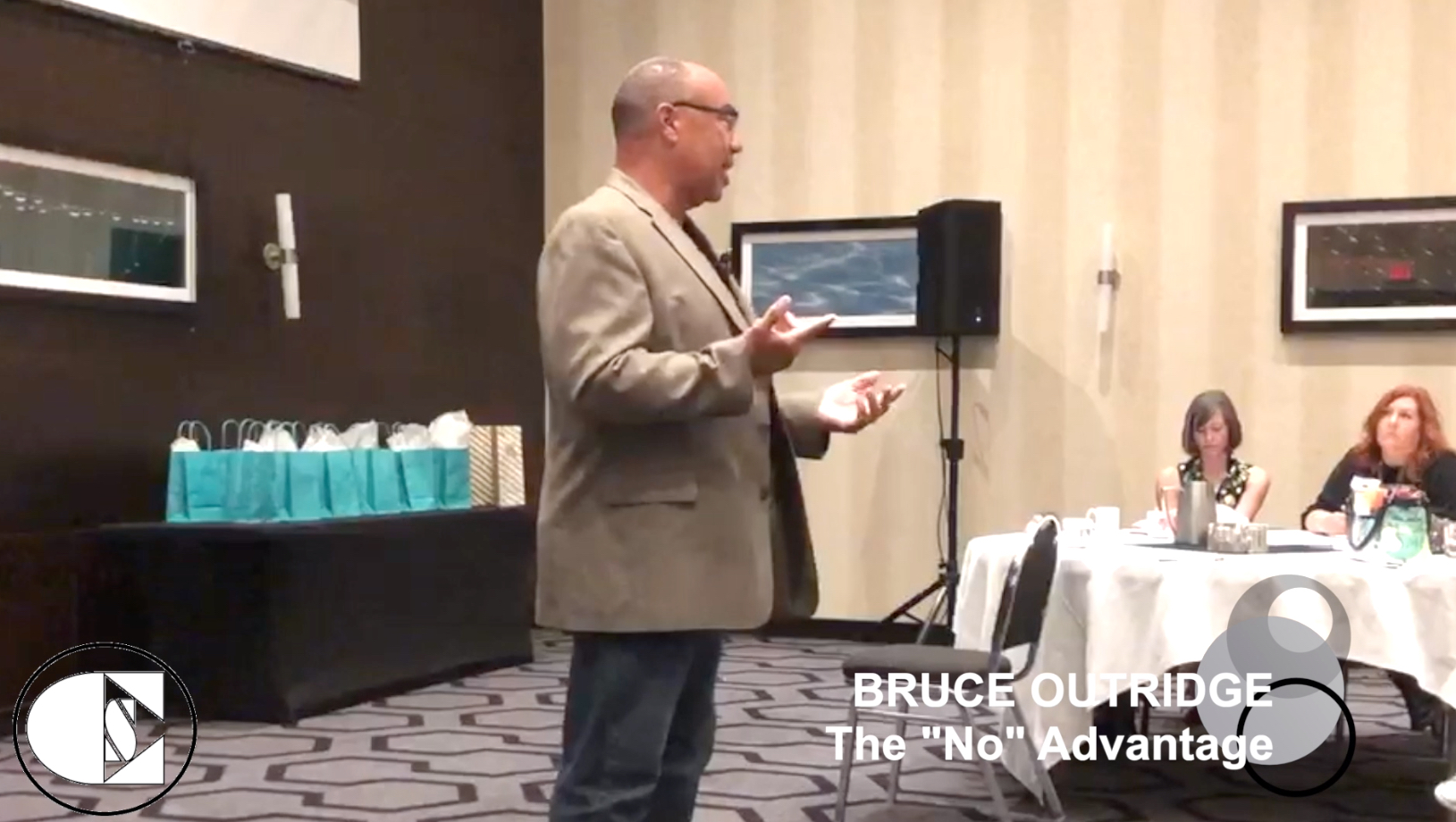
Book Bruce to Speak to Your Group
The Lead Pedal Podcast with Bruce Outridge

 The Lead Pedal Podcast
- An error has occurred; the feed is probably down. Try again later.
Bruce Outridge Productions




 Bruce Outridge