
Bruce Outridge
Artist | Author | Radio & Podcast Producer | Television Host
Starting in Business, Take Over the Neighbourhood!
Have you taken over your neighbourhood yet? With the invention of the Internet and the world seemingly getting smaller due to ease of access, many entrepreneurs feel they need to come out of the gate with their new business on a global scale. You see it all the time on shows like Dragon’s Den or Shark Tank. The first statistic most new entrepreneurs throw out is that fact that there is 100 million people in the U.S. or the the health industry is one of the largest industries in the world. If you watch the investors on the show you can all see them roll their eyes and almost simultaneously everyone will say together, what are your sales? Maybe some products need to hit it big right out of the gate, but for most of us starting small is the best way to go.
I am a firm believer in starting local and expand as you are able and comfortable. I do think you should stretch your wings once in a while and take chances if the benefit is there. Taking on the world before you have even sold to people in the neighbourhood is the same as taking your new boat out on the ocean before you have tested it in the lake. There may be lots of water out there,but the lake has smaller waves. When we started our art business in 2003 we did just that, we worked our way up with the same system. We started selling our products and services to people we knew in the neighbourhood, then we expanded our reach to the local community, we then moved regional to to a certain limit. Today we still work primarily in our Province, but we are steady and busy. Could we offer more by expanding further? Sure we could, but what most people forget is that to expand takes more money and time. It’s the same as that person who dreams of getting their product into a big box store, they dream of the millions they will make by having their product on the shelves. Usually they are seeing the footprint of the store in their community. A store like Walmart however, has stores across the country and getting a product in that store may mean a large purchase order, but you also have to be able to create and stock the product. It may cost you millions to get the product in the store in the first place. As they say on the shows, do you have distribution, manufacturing, etc?

So before you jump the gun and plan on taking over the world, you may want to start by taking over your neighbourhood. Get some sales, listen to what customers are saying about the product. Refine the product in your local market before launching on a bigger scale. We have had products succeed and fail, we have had products that we have shelved and refined. The process is ongoing and it is much easier to make changes in small markets than in larger ones. As I always say focus on the quality of your product and not the quantity of product and you will be better off. Now get out there and take over your neighbourhood, your customers are waiting.
About the Author
Bruce Outridge is an entrepreneur and author of the books How to Start an Artistic Business in 12 Easy Steps, Running by the Mile, and Driven to Drive. More information can be found on his website at http://www.outridgeenterprises.ca
Living Your Dream Starts with a First Step
Do you want to do what you love for the rest of your life? Do you want to achieve

that success you have been told is just beyond your reach? The truth is that there is no easy path in life. Hard work, dedication, and persistence will help you get to the destination you are trying to reach, but you have to take the first step. Failing or succeeding is not the problem because most people don’t get out of the gate. There is nothing scarier than business, I get that, I was terrified when I first started and many entrepreneurs will tell you that the feeling never really goes away, no matter what level of success you have the cards could turn against you and it may all disappear in a heart beat. Focusing on what you want will help you stay true to the direction that you want. I remember telling my father one time when I first started my business that I had finally done it, I had finally got on the scale to riches. Of course I was at the bottom of the scale and people like Richard Branson were on the top of the scale, but at least I was on the scale. That hasn’t changed to this day, I am still on the scale, I am slowly moving up and achieving the goals I set out for myself and one day I will be at the top end of the scale.
What’s the secret? There isn’t one, you just have to do one thing, you have to get started. If you are forty today and are thinking about a new career but afraid it will take to long to achieve, then think again. Assuming you would retire at 65, even if you took five years to complete any training required you would still have a twenty year career in what you love to do. Do something you love and you may never retire. To make that first step is the hardest thing to do, but those that take that first step, keep their head down, and move towards their goal eventually find the success they seek. Failure is part of that road to success and helps make us stronger than if we flew through life without any problems. So find your motivation for success, find your calling, and get on the scale.
About the Author
Bruce Outridge is a business and leadership consultant and author of the books Driven to Drive, Running by the Mile, and How to Start an Artistic Business in 12 Easy Steps. To learn more about Bruce and his business visit www.outridgeenterprises.ca
What’s in a Name?
Naming your company is one of the most important decisions that you can make and when starting out as an entrepreneur we often don’t give it as much thought as we should. We may think a great name comes from the product we plan to sell or the service we plan to offer, but is that the best way to name a company? We all do this and many times it is from the excitement of getting things going for the new venture. I did the same thing when starting my first company Bruce Outridge Productions. I just thought about the art at the time and am now glad I didn’t name it Bruce Outridge Illustration or something similar. Now we offer a variety of services from cartooning to graphic design to video production. I was smart enough not to block myself into a corner. By using my name and then “productions” it leaves the meaning wide open. The important thing to think about is that your business will develop and change over time and the name that works for your business today, may not work for your business tomorrow.
This came to mind the other day when I passed a truck on the road. The name made me laugh because the company was named “Smokey and the Bandit Trucking” and for any of you from the 70’s will remember the popularity of the movie of the same name. Other than it being a funny name for the trucking company and a good laugh for those onlookers it may or may not be hurting that company. The company was was pulling a trailer for a well renowned pizza corporation, you may be wondering why that is a problem? Twenty years ago a name like “Smokey and the Bandit” would show the company will do anything to get the job done just like the movie, a benefit right? The industry has changed and now that same name would show that the company is reckless and dangerous on the roadways. I am not saying the company is reckless, but in the industry that may be how others feel. 
The point is that you should think long term when naming products, services, or a company so that if the industry you are in changes the name you have chosen will stay relevant. A cute name may seem cool at the beginning, but make you look ridiculous as a business later in life. Think long term and you will stay ahead of the curve.
About the Author
Bruce Outridge is a business and leadership consultant and author of the books Driven to Drive, Running by the Mile, and How to Start an Artistic Business in 12 Easy Steps. For more information visit his website at www.outridgeenterprises.ca
Organization is the Key!
Once again we hit that season where the days get longer, there is a spring in people’s step, and the tax man arrives. This is the time of year that arrived last year and has arrived every year and you promised you would get organized and lower the tax bill to help your business run better. The truth is you forgot as you have done in the past. So what will change this year? Is it finally time to get things organized and improve for the year ahead?
Many entrepreneurs are so used to keeping things afloat that they lose money in areas that lack attention. For instance if you are just putting receipts into a shoebox and not entering them into some type of journal or software program then you may not have an idea of how much your expenses are costing the business. If you take that same shoebox to your accountant to sort out for you, you are spending double the money for that service that you would have if a bookkeeper sorted those out for you. What about your maintenance receipts for the truck, how much have you spent on maintaining that truck over the last year? If you don’t know that number then you may be wasting money or it may be costing you to hold on to that baby of yours? Can you match up receipts and information with statements and invoices or are you always behind the eight ball in knowing how much money you bring in every month?
Not everyone is organized and if that is you then you may need to find someone to help you get organized. One of the best ways of shooting yourself in the foot so to speak is to find the reason you should get organized. It is very hard to start something new if you don’t know why you are starting it in the first place. What is it you wish you had known from last year? Is fuel costing you more than it should? Upgrading to a truck with better fuel mileage may be a solution. Did the truck break down more than you should be and it’s costing you down time? Again looking at why you want the answers will help you get started with a solution. Where to start is the question that most people may have and need the most help with. Making a plan of attack is the best thing to start with. Write down those questions that you need answers to and that will help you get started. For instance if you want to know how much you have spent on truck repairs and all you have is a shoebox of receipts the first thing to do is get those sorted out. You did keep them didn’t you? Now I know you don’t like to sort out receipts, that is why they are in the shoebox, but your accountant will charge you $100 per hour when it can be done for much cheaper. Either do it yourself, hire a bookkeeper, or find someone responsible to sort them out for you. Adding those receipts up will give you a total for the year provided you have them all, but you need to find a data entry program so they can be tracked all year. A small operation can get away with a hand written ledger, but there are many software programs that can help you with that inexpensively. Think long term and it will help you move to a more stable operation.

As they say the numbers never lie and that is the truth. You will see a big jump in your business once you start directing the business using actual numbers rather than guessing at what you think the business is actually doing. It will help you make informed decisions allowing you to work on the business instead of in the business. The key is organization and the rest will fall into place.
About the Author
Bruce Outridge is a transportation consultant with over 30 years of experience and author of the books Driven to Drive and Running by the Mile. For more information on Bruce or his work please visit his website at http://www.outridgeenterprises.ca
Passing an Audit in Your Business?
What do you do when the tax man calls? Considering previous experience I will tell you that you had better have your stuff together if you plan on making it through and audit slightly unscathed. Audits can be very intimidating and scary for most of us. If you think that the big scale guy is intimidating try dealing with the Canada Revenue Agency or the Internal Revenue Service. That is scary on a whole level above the rest. They don’t understand things like my computer crashed last month that was holding all the company records, or that you didn’t track your mileage to the safety meetings because you forgot. When we went through the audit for our business I was amazed at the information I was asked to provide. They didn’t want to know about the big things like the income and expenses from major clients, they wanted to know why the coffee shop meal was being written off. The expenses that most of us overlook as they are only a few dollars were the focus of their investigation. Now that we have successfully made it through the audit process with just a minor adjustment I wonder how many people are not ready for an audit.
Audits do two things for your business, you either begin to run a tighter ship or you decide this isn’t for you and close up shop. For those who decided against getting professional help for their business may fall into the latter because the process is very intimidating to people not in that line of work. We did have a computer crash in one of our years that has created a file that holds some serious financial data and it is only by luck that was not the period that the CRA wanted to look at. That audit made us run better which according to my accountant is the educational component that the CRA tries to do with the clients it audits. They may need to work on their delivery skills a little. They say they use it to educate companies on the proper way to account for their business, that may be true but I think there are better ways to do that.
So I ask you again, would your business pass an audit if you were selected for one? Many of us business owners especially the smaller ones don’t feel they are on the radar for being audited. That is wrong, ask any small business that was selected for audit recently. The best way to pass the audit is to get your ducks in a row now before you are selected because once selected you won’t be able to make things up. Get an accountant make sure your bookkeeping is being done properly. The biggest thing is to think like a business owner and that means getting serious about running your business. If you don’t I can tell you that you will be out of business before you know it.
About the Author
Bruce Outridge is a business and leadership consultant for the transportation industry. He helps Owner Operators operate successful businesses. For more information or to learn about the OS Program for your business visit his website at http://www.outridgeenterprises.ca
Learn About Inspiring Youth TV
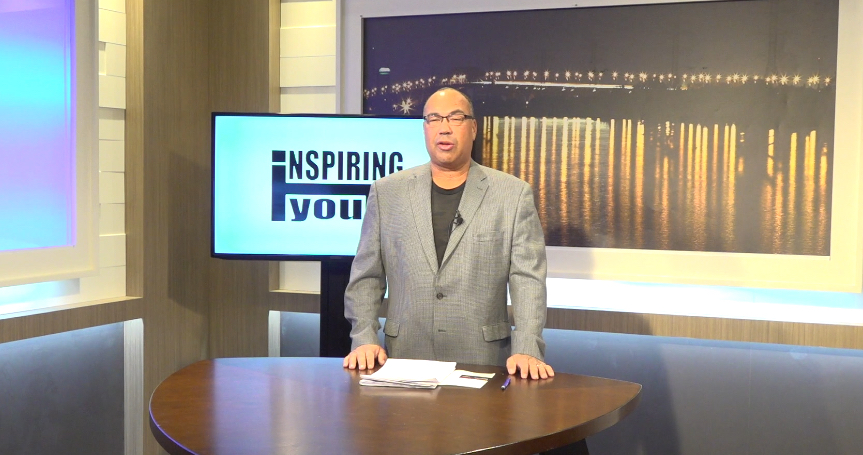
Watch Cashing in on Creativity Television
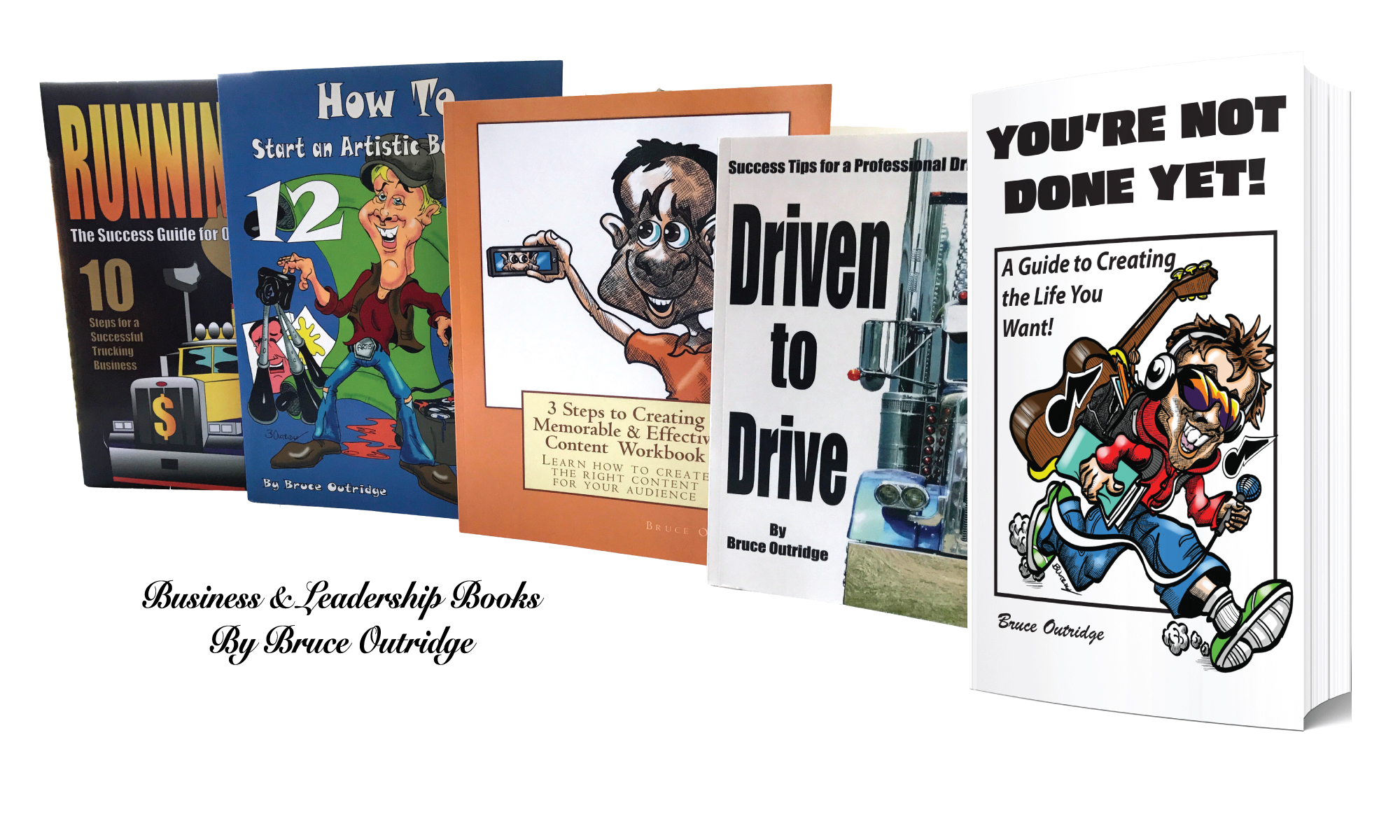
Get Bruce’s Latest Book

Get Bruce’s Books
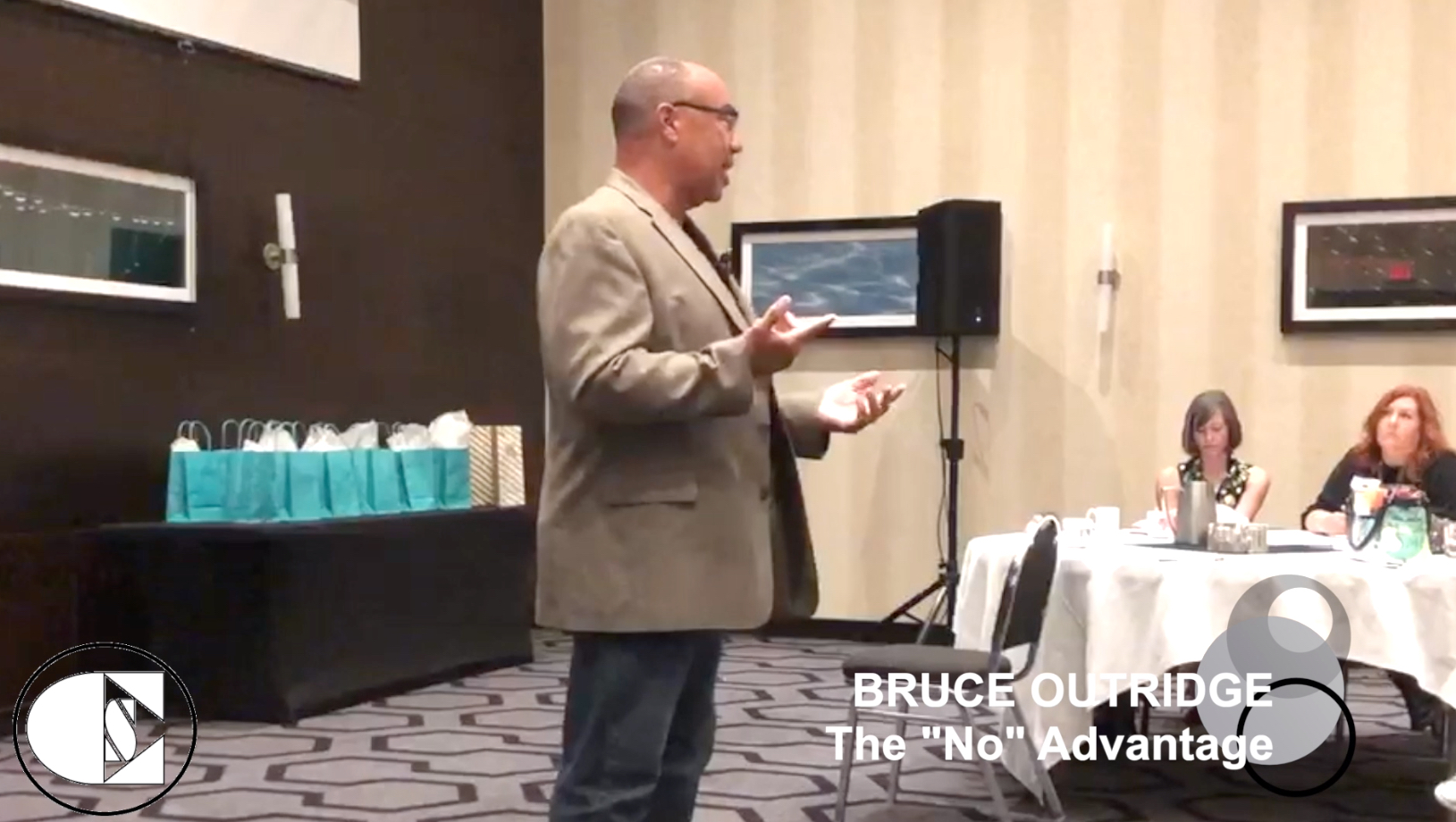
Book Bruce to Speak to Your Group
The Lead Pedal Podcast with Bruce Outridge

 The Lead Pedal Podcast
- Out of Service & Out of Control: Are Unsafe Trucks Taking Over Our Roads? LP1552
- From Trucks to Tunes | Highlights from the Chords & Chrome Show: LP1551
- April 2026 Trucking Events in Ontario | The Lead Pedal Podcast
- What's New for April 2026 | Big Updates from Lead Pedal Podcast, Radio & Media: LP1550
- Old School vs New Rules: What Veteran Drivers Really Think of Today's Trucking Industry: LP1549
- End of the Road: Gord Magill Writing the Truth About Trucking | Lead Pedal Podcast: LP1548
- The State of Trucking: Gord Magill Breaks Down the Industry Today | Lead Pedal Podcast: LP1547
- Shifting Gears Ep14: Raising the Bar-How Red Seal Certification Can Strengthen Canada's Trucking Industry
- Engine Oil Tips Every Owner-Operator Needs | Seasonal Advice with Karin Haumann of Shell Rotella: LP1546
- PTTAC Panel: What Carriers Really Think About Red Seal Certification: LP1545
Bruce Outridge Productions




 Bruce Outridge