
Bruce Outridge
Artist | Author | Radio & Podcast Producer | Television Host
The Internship Movie-Old School Business!
Not too long ago I was watching a movie called “The Internship.” It was a very funny movie about two old school salesmen that lost their job selling various lame products and in a desperate attempt to save their downward spiral of life they apply for an internship at Google with people half their age. The essence of the movie is that they know nothing about computers but end up being the most creative people using old school relationship tactics. I won’t spoil the movie for you but certainly anyone over forty will appreciate the scenario and humour of the movie. It got me thinking however as to how we do business today.
There was a time when you could block off time to meet customers and have their full attention. There was a time when relationships built through business meant that you had secure business and loyalty from that client. As in the movie it showed that the most creative people were the ones that didn’t let technology take over their lives. Now we meet people for a meeting and often they are checking their phones while in the meeting, we don’t have their full attention. I say maybe it is time to go back to the old school way of thinking. Let your creativity come from your mind and your heart. Technology may be great, but remember a mind is what created the technology!

If you are in the habit of checking your phone or laptop often try blocking off your time. Check email at certain times of the day instead of every time a message comes in. Turn off automatic ringers and notifications sounds so that they don’t distract you from listening to the person you are meeting with. Take time to exercise without taking your phone and use your mind to solve issues in life. You may find your mind is the best technology that you have.
About the Author
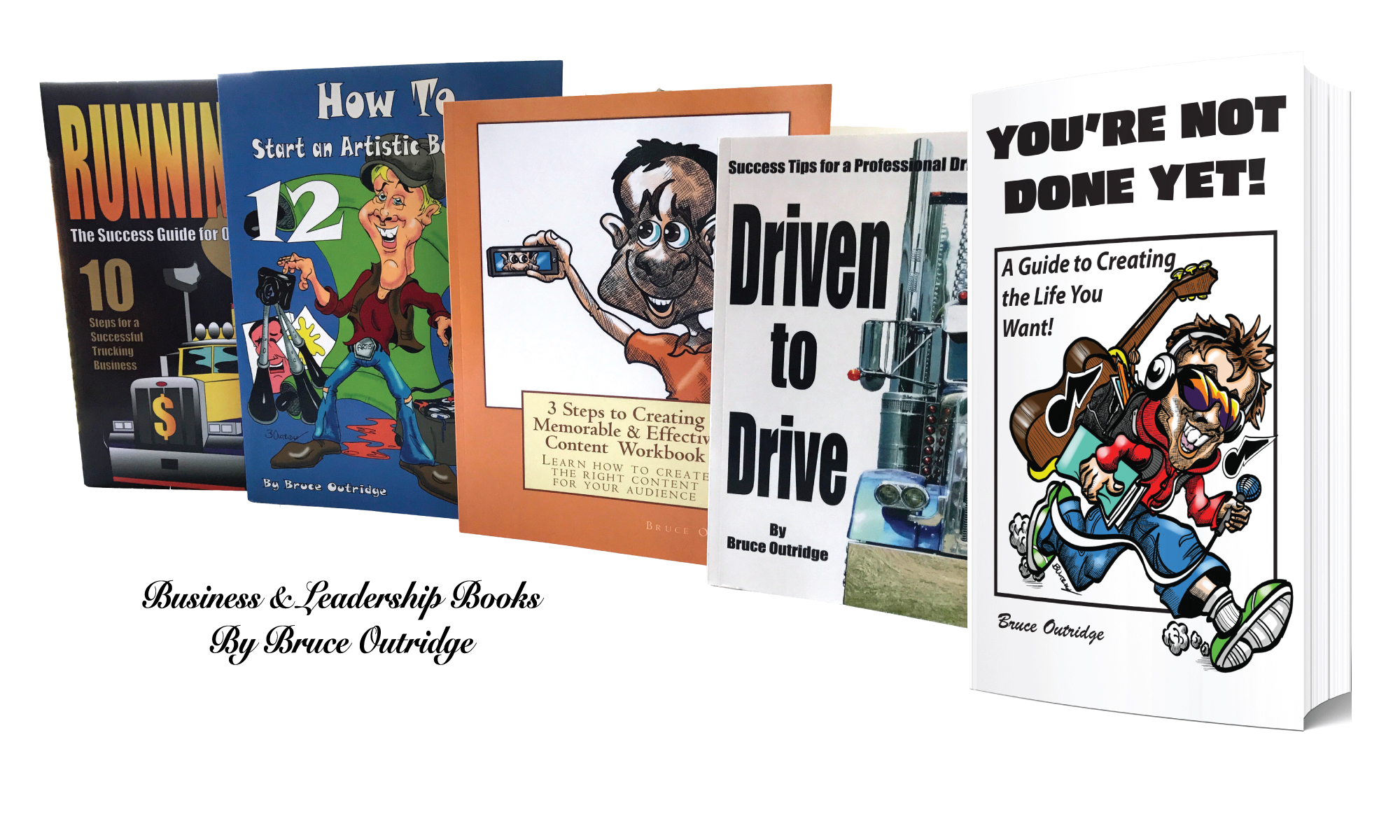
Bruce Outridge is an entrepreneur and author of the books Running by the Mile and Driven to Drive, and How to Start an Artistic Business in 12 Easy Steps. For more information or to purchase a book visit his website at www.outridgeenterprises.ca
Hanging Out With a Group
In the arts there are many that don’t feel that artists should hang out with others artists in case they steal their ideas, in fact that could be said among many different industries. That being said in my experience I have found exactly the opposite, whether I am attending a convention for cartoonists in a luxury setting, attending a local art gathering, or working with a local association I have found that I am always learning and helping others. Actually I am on the board for a group called Like Minded Business Networkers for that very reason, we all are working towards the same goal. Many join groups and associations to promote themselves and meet new clients but that strategy often back fire. If you join a group based on just meeting people with no connection then you may be missing the boat. I have friend that often says we deal with the people that we like and that is very true.
When I began my illustration business I didn’t know where to go to meet people and start networking. Often thinking about how to network with people is the worst way to join clubs and associations, that’s because you go in with large expectations and will look too needy in approaching people. I think if you are going to join a club or association then you should focus on some other aspect of the club, the meeting people will come later. For instance when i wanted to start showing my work I joined the Oakville Art Society in my area because they allowed members to show their work in group shows. Oh sure I met other artists, I learned techniques, I was given opportunities from being a member, but those were side benefits. My main goal was to show my work. I have been a member there for over ten years and have had multiple solo shows, have taught many courses, and made many connections for business that are still intact today.
When I began my consulting business I joined a safety organization called the Fleet Safety Council in hope that I would meet potential clients and I have. When I joined my goal was to keep myself educated about the industry and the safety world that I had become a part of. I knew I would meet people and I have gotten lots of business from the group, but my focus is on keeping up with the industry.
If you are looking for groups to join then try these ideas. Join groups that will give you education, opportunities, or experience. Be active in the group and participate, don’t be the invisible silent person in the back. Try joining a local group, a national group, and an international group related to your field. Last but not least stop trying to meet people, that will happen in its own, just go enjoy yourself! Sometimes when i go to my lunchtime meeting, I am not in the mood to meet anyone, sometimes I just go for lunch and that’s okay. At least I am being active!
About the Author
Bruce Outridge is an artist, author, consultant, and entrepreneur. He is the author of several books including, How to Start an Artistic Business in 12 Easy Steps, Driven to Drive, and Running by the Mile. You can learn more about Bruce and his companies at http://www.outridgeenterprises.ca

Are You a Star?
I love reading biographies especially about old bands that I used to follow as a kid. KISS is one of those bands and I have read most of the biographies from the band. I am currently reading the new release from Paul Stanley the front man of the band and although it talks about the antics of the band it also talks about focus. I have a few friends in the music industry and many of them talk about luck, the big break, or being in the right place at the right time. Some also talk about the work, the headaches, bad bars and so on. That is where the difference is between getting so far and being successful. The same thing happens to entrepreneurs, many want the dream, but they get to the headaches and hard work and it overtakes them. They lose their focus. The successful entrepreneurs or stars have such a strong focus that they will break through anything to reach that area of success.

So do you think of yourself as a star? Do you have the focus to take you through the hard work phase and the headache phase? Do you have the drive to take your business to the next level? I am not suggesting that you don’t have a job to help bring in money into the household, but you need to keep focusing on the true dream. You need to get started and keep honing the operation to where it works like a well oiled machine and that may take years, but you need to keep at it. There will be luck involved, there will be being at the right place at the right time, but there will also be focus that will help get you through. Think like a star, don’t ever let go of your dream, and you too will be successful. Go ahead, try it!
About the Author
Bruce Outridge is an artist, consultant, speaker, and author of the books Driven to Drive, Running by the Mile, and How to Start an Artistic Business in 12 Easy Steps. To learn more about Bruce and his work visit his website at www.outridgeenterprises.ca
Want social media success? Pay attention to the low numbers.
Recently I gave a presentation to a local association on social media. Many know they need to be on it, but really don’t know why so there are still many questions. Often times when talking to companies about their social media programs I get information like I am on Twitter or Facebook because of the amount of people on those platforms. I’ll receive statements like there are 300 million people on Twitter, or 1.3 billion people on Facebook so we should be very successful on those platforms. Many folks think being on the platform will give you the exposure to that audience, but it is unrealistic because you can’t connect with everyone and unless they are connected to you they don’t see you anyway. So I often try to steer people away from focusing on the big numbers because they really don’t mean anything anyway. What really matters is the small number and the people that you know.

With social media you have to think more like your doctor. Your doctor when he or she takes your blood pressure is more concerned with the lower number than the higher number. If your blood pressure is 135/90 the doctor is watching that number 90 more closely. If the 90 creeps up that is when the health problems really start. The same thing happens in social media, the large number of people on the platform means nothing. The smaller number which is the people connected to you is the number you should be concerned with. For instance on LinkedIn there are 300 million members. Many of us have less than 500 people connected with us. Those 500 people however, have the power to buy your product or services, recommend people to your business, or possibly hire you for a job. That being said you want to make sure those 500 people know who your are, what you do, and how to connect with you. That is why we only connect with people we know. In my case I only connect with people I know or people that’s in an industry I work in. The same thing goes for the other platforms, there may be 1.3 billion users on Facebook but your concern should be the 150 people that like your page or are connected as friends. Those are the people that want to know what you are doing or what you have to say.
If you want to create a strong network and get your name out there the best thing to do is put out information that people want to read or hear. Put out some good content and people will naturally gravitate to you and your network will grow. If you sign up on a platform and do nothing then you really aren’t helping your brand. If you are using social media as a marketing program make sure that your audience is on that platform. Social media is no different than any other marketing campaign, identify your target market, define what they want, and deliver it. Keep to that program and you will have sociable media success.
About the Author
Bruce Outridge is a business and leadership consultant and author of the books Driven to Drive, Running by the Mile, and How to Start an Artistic Business in 12 Easy Steps. To learn more about Bruce and his work please visit his website at www.outridgeenterprises.ca
Canada’s Anti-Spam Policy begins July 1, 2014-Are you ready?
If you haven’t heard of the upcoming anti-spam policy coming into affect on July 1, 2014 then you may want to do some catch up in a hurry. The policy is being seen as the toughest legislation to come into affect and promises to bring in fines ranging from $1,000,000 to $10,000,000 for noncompliance. This initiative is to deter companies from sending spam to people or installing computer programs without consent. How this will all play out is anyone’s guess, but there is a fear on the technology industry that the small business owner will get caught accidentally without knowing the law. The industry experts are hoping the CRTC will go after the bigger spammers on the Internet.
So what do you need to know if you send out electronic communications? There are three steps to the program. The first step is that you need to have EXPRESS or IMPLIED consent from the recipient before sending out any electronic communications. The onus will be on the sender to prove they have consent from a recipient and when that consent took place should they be audited. Implied consent would be something like you have done business with that person before or you are a member of a club and the club sends you information that only goes out to members. The second piece of the program is showing people who is really behind the communication. Recipients need to know the name and location of the sender and it must be clearly visible. There are some exceptions for those that work from home. The third piece of the legislation has been around for a while, you need to have a way for subscribers to unsubscribe. There are exemptions for those that have a personal relations ships or businesses that have an existing relationship with their clients. There is a two year exemption available for consent in those areas.
So what should you do? If you are sending out electronic communications to a current list before July 1st, 2014 you should send out some type of form asking people for their consent or to unsubscribe from your mailing list. You will have to keep records for consent and many of the large email programs will do that record keeping for you, but if you are using your own email program to send out communications that may be a harder problem. Many businesses are worried that they may lose subscribers, but if people don’t want the communications they probably weren’t reading the communication anyway. If you are following good business practices then I don’t think you should have much to worry about, but if you are in the habit of grabbing business cards to cold call people or add them to lists you may want to change your tactics. How this will affect the whole social media industry is yet to be seen, but the best thing is to work on protecting yourself and your business. To learn more about the legislation and have many of the questions you may have answered I suggest visiting the CRTC website.
About the Author
Bruce Outridge is an entrepreneur and author of the books Driven to Drive, Running by the Mile, and How to Start an Artistic Business in 12 Easy Steps. For more information on Bruce or to read articles for your business please visit his website at www.outridgeenterprises.ca
Learn About Inspiring Youth TV

Watch Cashing in on Creativity Television
Get Bruce’s Latest Book

Get Bruce’s Books
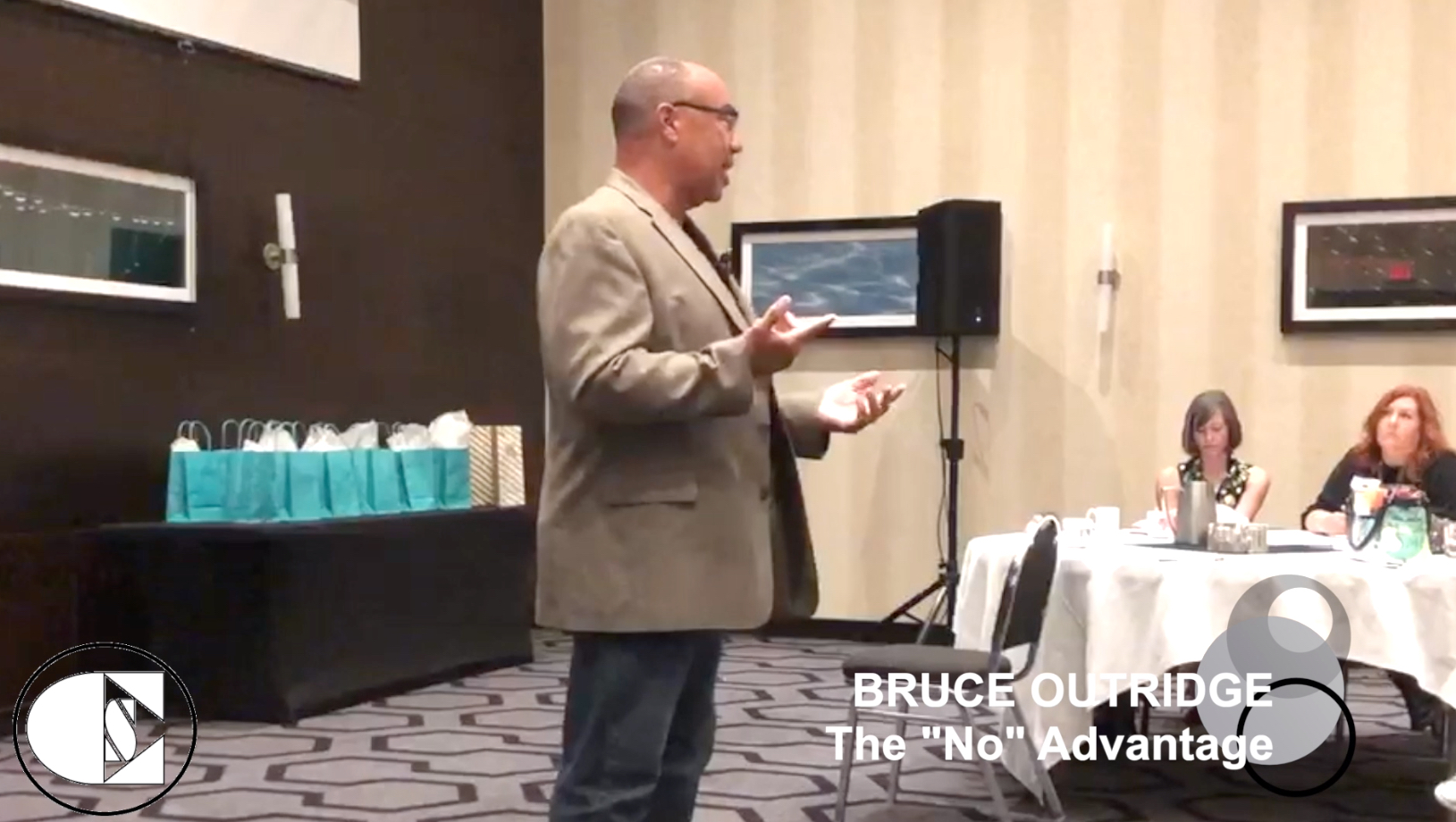
Book Bruce to Speak to Your Group
The Lead Pedal Podcast with Bruce Outridge

 The Lead Pedal Podcast
- An error has occurred; the feed is probably down. Try again later.
Bruce Outridge Productions