
Bruce Outridge
Artist | Author | Radio & Podcast Producer | Television Host
Canada’s Anti-Spam Policy begins July 1, 2014-Are you ready?
If you haven’t heard of the upcoming anti-spam policy coming into affect on July 1, 2014 then you may want to do some catch up in a hurry. The policy is being seen as the toughest legislation to come into affect and promises to bring in fines ranging from $1,000,000 to $10,000,000 for noncompliance. This initiative is to deter companies from sending spam to people or installing computer programs without consent. How this will all play out is anyone’s guess, but there is a fear on the technology industry that the small business owner will get caught accidentally without knowing the law. The industry experts are hoping the CRTC will go after the bigger spammers on the Internet.
So what do you need to know if you send out electronic communications? There are three steps to the program. The first step is that you need to have EXPRESS or IMPLIED consent from the recipient before sending out any electronic communications. The onus will be on the sender to prove they have consent from a recipient and when that consent took place should they be audited. Implied consent would be something like you have done business with that person before or you are a member of a club and the club sends you information that only goes out to members. The second piece of the program is showing people who is really behind the communication. Recipients need to know the name and location of the sender and it must be clearly visible. There are some exceptions for those that work from home. The third piece of the legislation has been around for a while, you need to have a way for subscribers to unsubscribe. There are exemptions for those that have a personal relations ships or businesses that have an existing relationship with their clients. There is a two year exemption available for consent in those areas.
So what should you do? If you are sending out electronic communications to a current list before July 1st, 2014 you should send out some type of form asking people for their consent or to unsubscribe from your mailing list. You will have to keep records for consent and many of the large email programs will do that record keeping for you, but if you are using your own email program to send out communications that may be a harder problem. Many businesses are worried that they may lose subscribers, but if people don’t want the communications they probably weren’t reading the communication anyway. If you are following good business practices then I don’t think you should have much to worry about, but if you are in the habit of grabbing business cards to cold call people or add them to lists you may want to change your tactics. How this will affect the whole social media industry is yet to be seen, but the best thing is to work on protecting yourself and your business. To learn more about the legislation and have many of the questions you may have answered I suggest visiting the CRTC website.
About the Author
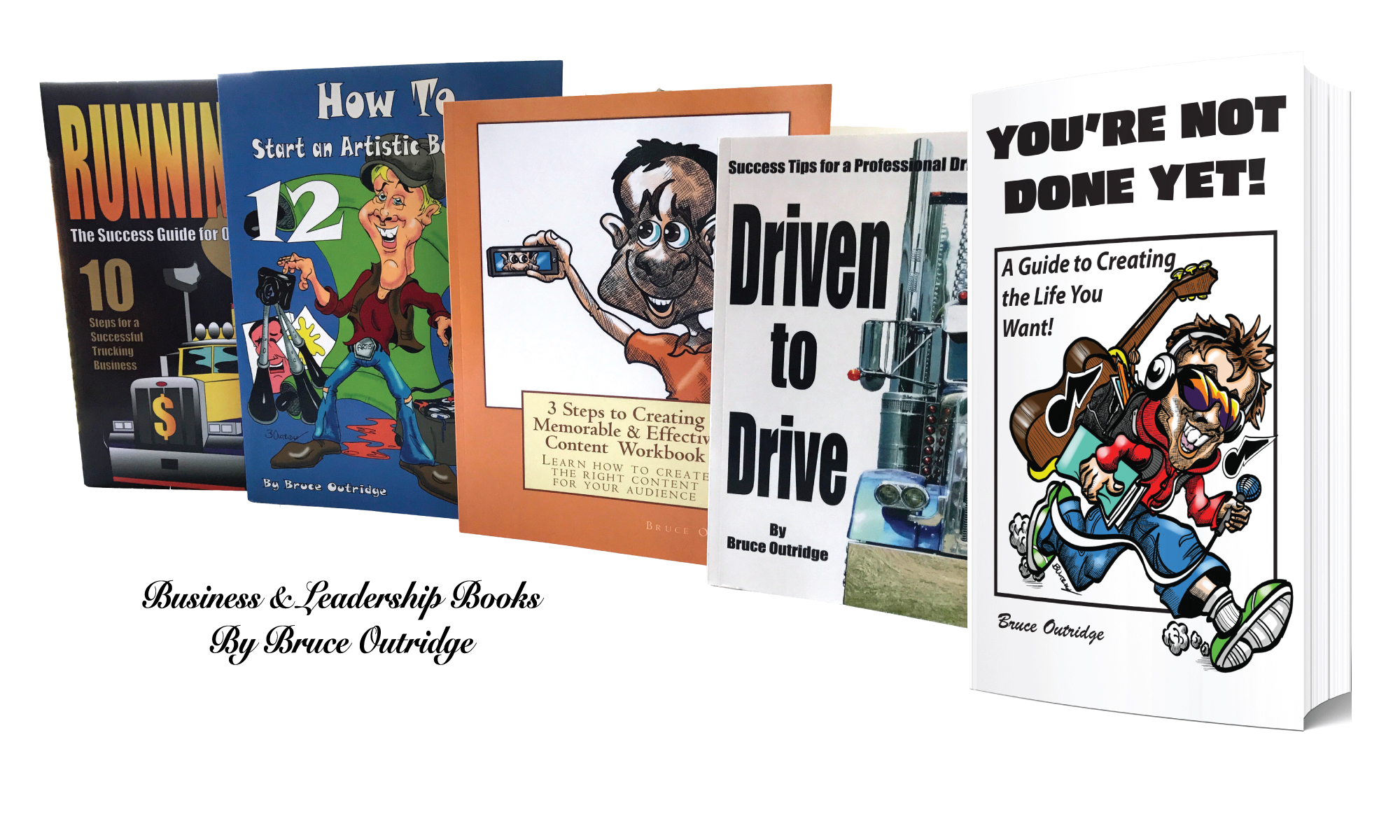
Bruce Outridge is an entrepreneur and author of the books Driven to Drive, Running by the Mile, and How to Start an Artistic Business in 12 Easy Steps. For more information on Bruce or to read articles for your business please visit his website at www.outridgeenterprises.ca
Fleet Safety Council Kitchener Holds Social Media Panel Discussion
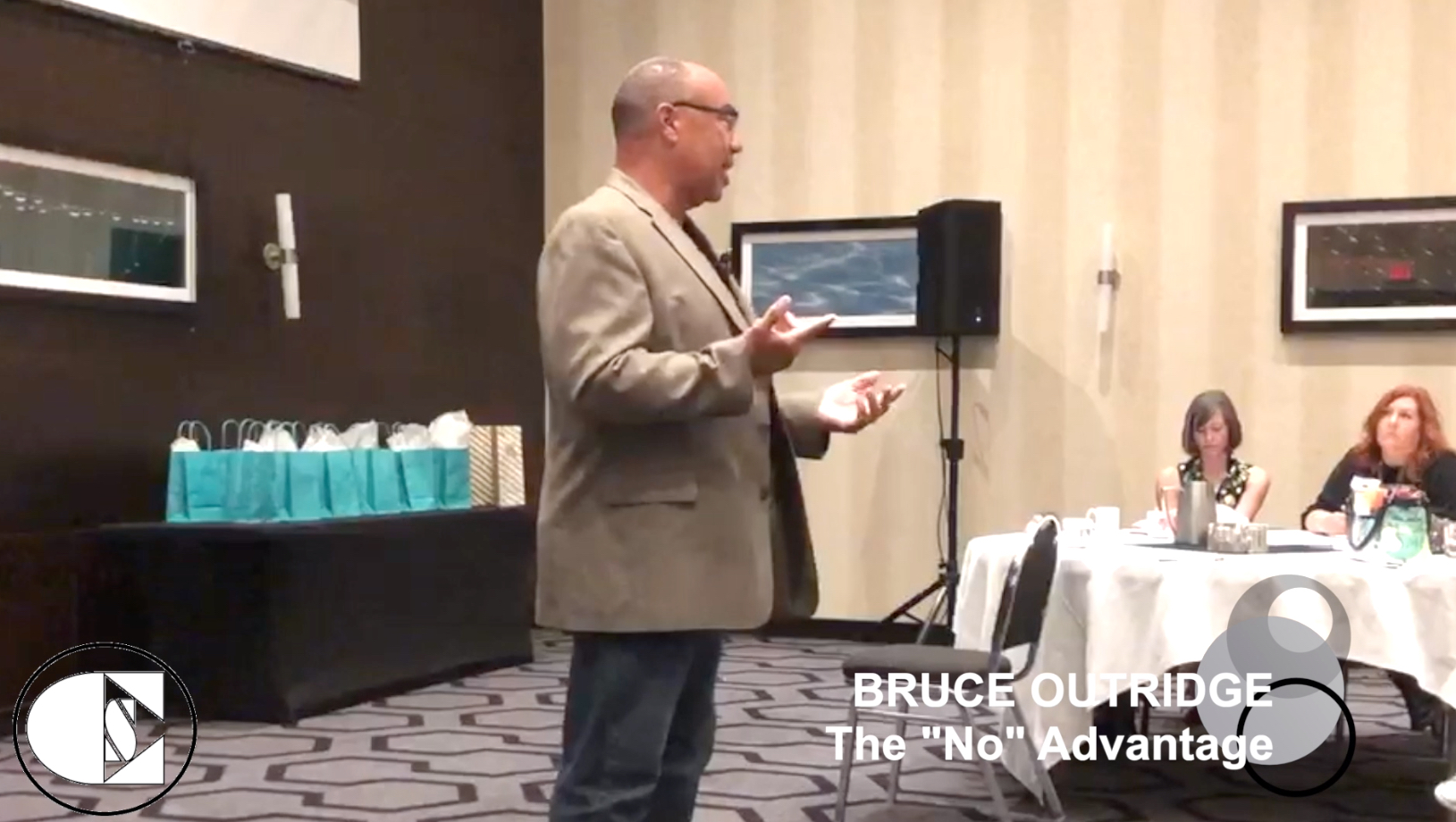
Just wanted to send a shout out and thank you to the Central Chapter of the Fleet Safety Council in Kitchener Ontario. They held a panel discussion today on the importance of having a social media policy in place and ways to protect your brand on the web. I was honoured to be one of the five panelist called upon to talk about social media. Thank you again to the Central Chapter for having me out today, It was a lot of fun!
Social Media is a hot topic again. The Board at TTSAO will be holding a social media presentation next Wednesday June 18, 2014 where I will be presenting on the topic. I am looking forward to presenting to their group. Everything has good and bad and social media certainly falls into that area.
All the best with your social media campaigns.
About the Author
Bruce Outridge is an artist, author, consultant, and speaker specializing in marketing and the transportation industry. For more information on Bruce and his work please visit his website at www.outridgeenterprises.ca
Preparing for the big test.
The commercial driver retest, yes it is that time of year or should I say five years. As a holder of a commercial licence I have to rewrite my licence every five years by conducting a written test. Now I have driven trucks for over 25 years and now teach courses in the transportation industry and still I feel the need to prepare when conducting a rewrite. The fact is in the industry we use a lot of slang for truck components and reviewing the basic book helps get the terminology back into my working brain.
Preparation for any test is important and one of the things I wasn’t very good at in my years in school. Now as an instructor I see many students that underestimate the importance of a test. They often don’t take notes, are checking phones and other media, and don’t take seriously the importance of recapping and doing homework. If they fail the test they blame the school or the system. I recently had two students, one did the suggested reading and home work, took notes during class and aced most of the tests given during class. Another student missed classes, didn’t read the book suggested, checked his phone in class and of course ended up doing poorly on the tests. The important note is that the first student that did well knew nothing about transportation going into the course, where the second student had previous experience with equipment and transportation.
Never trust that because you have been in an industry for a long time that you automatically know what may be asked on a test. You may know the procedures, but often it is the terminology that throws you off. If you are used to calling something by its slang name and you don’t recognize the proper name you may answer the question incorrectly. No matter how well you know a subject, review is always important and if you are taking an important test it is important to take notes and realize the importance of taking a test. You want to get the maximum correct, not the minimum.
About the Author
Bruce Outridge is a trainer and consultant with over 30 years of experience and author of the books Driven to Drive and Running by the Mile. For more information on Bruce and his work please visit his website at www.outridgeenterprises.ca
Lane management, fact or fiction?
It is amazing to me how we forget the basic rules of the road after driving for a while. There used to be respect and consideration for others on the roadways, but today that has changed drastically. The biggest thing I have seen is that attitudes have overtaken courtesy. We are all in a hurry to get where we are going but we need to get back to courtesy on the roadways.
Much of that starts with training. Most people getting their licenses these days are taking some type of training course, whether it is for a basic license or a commercial license. So my question is what are they being taught? Are they being thought to tailgate people on the highway, are they being taught to drive in the left lane even if no other cars are present? From what I have seen this seems to be the main stay of how people drive these days. Recently on returning from a business trip in Windsor Ontario I was amazed at how many people are driving blindly down the road without any regard as to who is travelling around them. They don’t move over when driving in the left lane after passing someone, they don’t look in their mirrors, they tailgate or use their vehicles to bully others, and many are still using cell phones and technology while driving down the road. Have we gotten to the point where laws, respect, and common sense are over ruled by our own need to hurry to where we need to be? Hey you don’t have to believe what I say, just take a look around you. Even on social media the other day it showed a truck passing a stopped school bus on the right shoulder of the road while it stopped to pick up kids, what was that driver thinking?
So what is the solution? Heck if I knew that I would be the Minister of Transportation, but here is what we should be doing. We need to start with the individual, we need to begin with ourselves. How do you eat an elephant? One bite at a time as the joke states. We need to change our driving habits one person at a time. Start with yourself, do you use your cell phone while driving? If so make a pact with yourself to not use your phone while driving. Are you one of those people that are always rushing and running late? Work on leaving earlier so that you have more time to follow the rules of the road. Are you one of those people that stay in the left lane and never move out of the way for other vehicles, then it is time to learn proper lane management and do your best to stay off to the right when not passing others. Some will argue that you can’t conduct proper lane management on the QEW in Toronto and I would give the benefit of the doubt for that area, but I see the same thing happening out on the open road. If you forget to move back over then that means you are not paying attention to your driving. If you’re an instructor lets start teaching our students the proper way to operate on the roadways. Let’s start teaching the basics of road courtesy and let’s get our roadways back to where they used to be before life became so hurried.
About the Author
Bruce Outridge is a transportation consultant and author of the books Driven to a Drive and Running by the Mile. More information can be found on his website at www.outridgeenterprises.ca
Five Questions You Should be Asking Carrier Representatives
As we roll into trade show season, the carriers will be out in full strength looking for potential candidates for their fleets. They’ll look real slick, have those glossy brochures available for you to take home, and will try to entice you with new

equipment and promises of getting home regularly. Most of them are honest and will do their best to meet the wants and needs of the candidates joining their teams, but is that the information you really need to know? Many new drivers and potential drivers don’t know what to ask when talking with carriers and often are disappointed when the environment at the company isn’t what they expected.
Where does the company run and how long am I expected to be away?
This is the first question to be asking a recruiter. Why, you ask? If they run to California on a regular basis and you want to be home every night you won’t be happy there for long. Match the carrier to your lifestyle, not the other way around.
Do you pay hub miles or PC miles?
Ask the carrier how you are being paid for mileage. Hub miles mean you are paid for every mile you run where as PC miles means they are using a program that estimates the miles. Many are paying via PC miles and there is nothing wrong with that, but you need to make sure it is fair. Ask them to show you a normal run to a city like Chicago and show you the mileage. If they pay 500 miles to Chicago, but your delivery is on the far side and you run 550 you may find you are not making as much money as you could. Also ask about other items like pick ups, deliveries, and border crossings to see how they pay for those items.
What is the maintenance program like at your company?
This is extremely important for owner operators to ask, but ask about their maintenance and repair operation. You don’t want to work for a company that doesn’t care about preventative maintenance or the cleanliness of their equipment.
What are the company culture and incentive programs like?
Make sure you ask about the company culture, is it safety oriented, do they appreciate their employees, do they have a safety program or benefit program? These aren’t necessities but carriers that appreciate their drivers and staff are where you want to work. You certainly want to know that you are appreciated for working hard.
What are the options for growth at the company?
You may only be looking for experience at this point but if you happen to sign on with a good carrier there is no reason to think you have to leave them if you are happy there. I always look for a company to call home hoping for a twenty year career. Ask if there are places to grow in the company should it be a good fit. How will you know you are moving up in your career, do they honour you with better runs, better equipment, better pay? Are there options to moving into the office in safety, recruiting or more? Look at your long term goals along with the short term and you may find you hit a home run when signing on with a carrier.
Carriers are looking for people that want to work, but it is important that you also interview the carrier to make sure that you are going to work for a company that cares about you. There are many good ones and many that are not so good. You may feel you have to take the first carrier that comes along, but often that is not the best way to make an important decision such as where to go to work. Be proactive in your search, you’ll be glad you did. Good luck with the search!
About the Author
Bruce Outridge is a transportation consultant with over 30 years experience and author of the books Driven to Drive and Running by the Mile. For more information please visit his website at www.outridgeenterprises.ca
Learn About Inspiring Youth TV

Watch Cashing in on Creativity Television

Get Bruce’s Latest Book

Get Bruce’s Books
Book Bruce to Speak to Your Group
The Lead Pedal Podcast with Bruce Outridge

 The Lead Pedal Podcast
- From Trucks to Tunes | Highlights from the Chords & Chrome Show: LP1551
- April 2026 Trucking Events in Ontario | The Lead Pedal Podcast
- What's New for April 2026 | Big Updates from Lead Pedal Podcast, Radio & Media: LP1550
- Old School vs New Rules: What Veteran Drivers Really Think of Today's Trucking Industry: LP1549
- End of the Road: Gord Magill Writing the Truth About Trucking | Lead Pedal Podcast: LP1548
- The State of Trucking: Gord Magill Breaks Down the Industry Today | Lead Pedal Podcast: LP1547
- Shifting Gears Ep14: Raising the Bar-How Red Seal Certification Can Strengthen Canada's Trucking Industry
- Engine Oil Tips Every Owner-Operator Needs | Seasonal Advice with Karin Haumann of Shell Rotella: LP1546
- PTTAC Panel: What Carriers Really Think About Red Seal Certification: LP1545
- PTTAC Insurance Panel: The Insurance Industry's Perspective on Red Seal for Trucking: LP1544
Bruce Outridge Productions




 Bruce Outridge