
Bruce Outridge
Artist | Author | Radio & Podcast Producer | Television Host
Marketing Offers No Shortcut!
As someone who works with web design and social media for businesses I often find that the subject comes up in conversation on how a person can improve their web presence. I don’t know how many casual conversations have turned up the topic of someone trying to get that quick new way to get more people into their network. So many seem disappointed when I tell them that the best marketing deals with consistency and content.
Right now blogging is hot and the reason is that Search Engines are rating websites based on content being provided by the owner. This rating has been around for a while, but people still don’t seem to understand how the rating affects them. When I tell business owners to get fresh new content for their site the first thing they ask is can I find articles and share them on my website? You can, but you are not helping yourself as much as you need to. When you share another article you are actually helping the other author’s website that created the article, therefore it isn’t being rated on your website as far as search engines are concerned. It may be helpful to your customer base but it isn’t helping your search engine rating. So finding a way to write your own content on your website is the most effective way of improving your website on the web.

The other part of search engine optimization is consistency. The people that I find that are always trying to improve their websites are looking for that quick method that will boost them up the next day on the web, the truth is that just being consistent is the best program of all. Send out a newsletter to your clients, post to your website on a regular basis, and focus on providing value to your clients. Add to your website every week if you can and you will find your numbers creeping up consistently. The folks that want the quick fix are the ones that are not consistent in their marketing so they are always playing the catch up game.
So here is a simple solution. Add new content on a regular basis, create a consistent marketing program, and forget focusing on the numbers. You will see your numbers go up, after all if the phone isn’t ringing it doesn’t matter how many visitors you have to your website.
About the Author
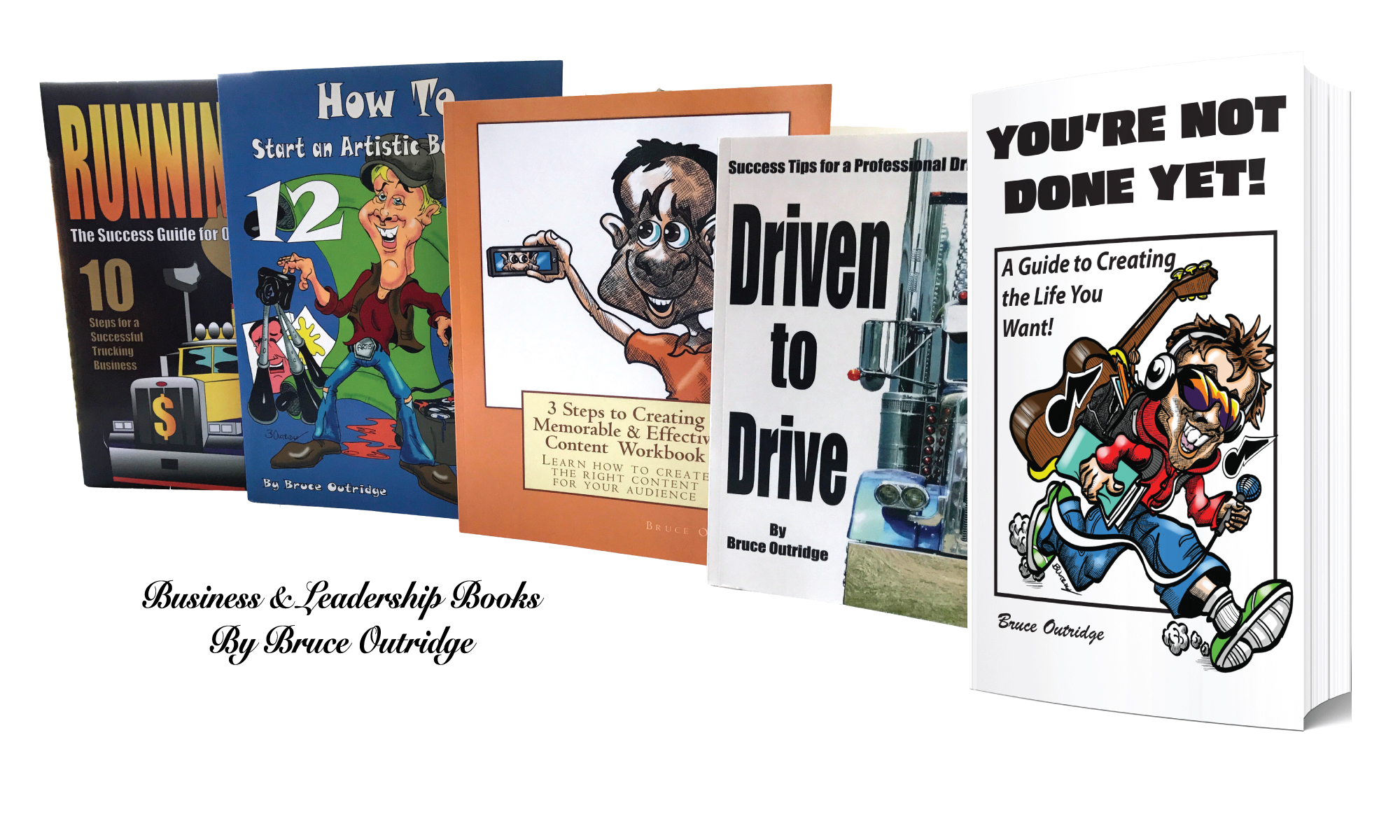
Bruce Outridge is a business and leadership entrepreneur and author of the books Driven to Drive, Running by the Mile, and How to Start an Artistic Business in 12 Easy Steps. To learn more about the author please visit his website at www.outridgeenterprises.ca
Is Your Mind as Big as Your Truck?
We have all seen it, maybe some of you have even done it, used your size to bud in line or make yourself known. You may even know someone that is short in stature but is constantly trying to make themselves seem bigger. Usually this comes from a person being small on the outside, but feeling large inside so they are constantly trying to show people how big they are and how they can keep up with others. This can sometimes cause aggressive behaviour from the individual and is known as the Napoleon Syndrome. That’s for people, but what about equipment?
Many will use the size of their vehicles to intimidate others on the roadway. This happened to me just this past weekend when I was on the highway and we were all being directed down to a single lane of traffic due to construction. I had come into the traffic and we were all doing our thing going slowly through the construction when this big black pick up truck came up the lane on the side and almost drove into my car, he didn’t even leave enough room to fit his whole truck into the spot. If I hadn’t swerved onto the shoulder (I am glad there was one to go onto) there would have been incident on the highway. After my honking at this clown showed him my opposition to his driving technique we were able to move on. Now I have not seen good professional drivers drive like that, we are already intimidating to the public due to the size of our vehicles. Good drivers know we can be left liable for using our vehicles to push our way through traffic and usually do the opposite by hanging back in traffic and focusing on driving safely. Every so often however, you will find someone who believes that larger vehicles have the right of way whether you agree with them or not. I am not saying I have never squeezed my way into a line up in traffic, I think we all have at some point, but I certainly didn’t do it putting the other vehicle or myself in the position to have an incident. People get lost, people don’t realize a lane is ending, and yes some people just are trying to get to the front of the line, I get it! Bulldozing your car into other’s vehicles, or using the size of your vehicle to intimidate others is not only wrong for you, but a message that hurts the industry as a whole. We are all in a hurry but causing an incident in a single lane of traffic in the middle of a construction zone is just a way to show people your courtesy level needs a little check the next time you get in your vehicle.
About the Author
Bruce Outridge is a transportation consultant with 30 years of experience. He is the author of the books Driven to Drive, and Running by The Mile. Learn more about Bruce on his website at www.outridgeenterprises.ca
Don’t Be Late on the First Day!
One of the fastest ways to improve your income in trucking is with good time management techniques. As an entrepreneur I begin every week loading up my calendar with meetings and other projects and slotting them in where they fit to be completed in a timely manner. As a professional driver your goal should be to maximize your time by scheduling it for maximum profit. Most new drivers have heard that the first day of the week is the most important and starting late can wreck your whole week and that is true, however I still come across drivers that don’t understand the importance of trip planning. Especially since the GPS has come along, some don’t even look at their map books. If you have worked for your carrier for longer than a few months you should have a sense to the timeframe for back hauls, the distance from deliveries to pickup locations, and dispatch style of the operation. If you don’t then you haven’t been paying attention.
If you have your load for the first part of the week you already have half the week planned. You may be saying I don’t plan because dispatch will mess it up. That’s true you don’t have total control over your time but the things that improve your income are very small in trucking. Delivering on time, calling in early, and knowing your customers will be the big income producers. The carrier I used to run for had a habit of having their pickups a good couple hours away from their deliveries, unless you were in New Jersey this was the norm. So a driver that delivered before 9:00am were able to pick up a load around lunch time and start back for home. A driver that delivered around lunch time didn’t reload until 4:00pm if they got loaded at all. The driver delivering later may have had to wait for a back haul if all the loads were dispatched already. Multiply that scenario by three and you will see why some drivers are returning home on Sunday, they keep delaying themselves each day and it adds up. You should roughly know your flow for the week, this is easy with a dedicated run, but very different on the open board. So how do you plan your week for maximum efficiency? First plan your days for twelve hour days across the board. Leave the extra allowable hours for emergency or when things don’t go quite right. Leave early on your first day planning your deliveries before 9am each day unless your delivery time is appointed for another time. Always be early and plan for traffic flow and weather. Work on being consistent with your deliveries. Once dispatch gets used to your call each morning at 9am they will start having loads ready for you helping you make more income. Work on becoming the most reliable driver in the fleet. You’ll know when you achieve that because you will never be waiting for a load. Trucking companies always fill their reliable drivers first. Work on these small little items to improve your time management and you will find trucking will be a profitable experience. They may be simple tips, but they work.
About the Author
Bruce Outridge is a transportation consultant and author of the book Running By The Mile and Driven to Drive. Find more information on his website at http://www.outridgeenterprises.ca
Beat Hours of Service Issues with Good Trip Planning
Unless you have been hiding under a rock many will know that the hours of service regulations changed on July 1, 2013, yet again, or is it maybe, I’m not sure? Since as of the time of this writing there has been no decision made, but does it matter. I realize it is frustrating to have the FMCSA changing the regulations for no good reason or so that seems. I am not here to debate whether they will increase safety or not because in my mind any law that tells someone when they should stop, go, or eat is going against human nature and will never work. I do believe in guidelines and maybe a hard stop at the end of so many hours of driving but that’s it. Anyway they have changed or are changing them again, and with the current driver shortage many experts are saying it will hurt our industry even more. I believe it will hurt those running longer than those running within a 500-700 mile radius from their terminal. When you run within that distance you are usually home over a weekend anyway so getting the restart and night time hours in isn’t too much of a problem. It may hurt those that run longer such as California, you will have to plan out your deliveries and stops to match your down time. Some are saying it will cause us to put more trucks on the road to match existing delivery patterns.
I try to stay positive in this industry because I have been a part of it for over 30 years, but also because much of the crap I heard when I was driving was so individual that it can be easily overcome. For instance someone who is always running late, “Gets there when they get there” type of attitude will always have a hard time with regulations and time management. Those of you who are true professional drivers, map out your trip, plan for obstacles and delays, and are organized won’t have much of a problem. You will look at your current running pattern, analyze where you might have to tighten up to meet the regulations and start rolling again. If anything I think this will make drivers and dispatchers work together more closely and that’s a good thing. Bring in EOBRs and watch the fighting that will go on, it will make the changes in regulation look like nothing. Now I have a friend that has a business that hauls oversized and that may cause problems as they have to work with daylight hours, again for most of us it will change little. I had so many people tell me things that if I believed them I would be unemployed right now due to their bad advice. A long time ago I stopped listening to people that thought they knew what they’re talking about but don’t. It would be like someone with a rusted out truck that has never been polished, telling you the right way to polish your truck, forget it.
You will succeed with the new regulations, just start working with dispatch, plan you trips so that breaks happen naturally when you are stopping for deliveries, fuel, and so on. Get smart and work within the system instead of fighting it and you will find you will succeed with a career in transportation.
About the Author
Bruce Outridge is a transportation consultant and author of the books Running by The Mile and Driven to Drive. Find more information on his website at www.outridgeenterprises.ca
Taking Home with You
I don’t know about you but one of the things that used to drive me crazy was driving a truck that was not set up to my liking. When I started my career in long haul transportation I heard many complaints of people not being able to sleep well on the road. This was partially due to people viewing trucking as a job and not a change in lifestyle. When you are starting out in the industry you may not be getting the newest piece of equipment and depending on the drivers handling it before you it may not be in the best of shape. I came across this many times in my career and was told early on by a wise Terminal Manager I used to work for that the best way to get comfortable on the road was to duplicate what you did at home. I took this advice to heart and have operated the same way over my whole career. He had driven for years before me and I respected his opinion of logic on the road. As other drivers were packing sleeping bags into their bunk I was packing sheets and towels, and fluffy pillows. He said you don’t sleep in a sleeping bag at home so don’t sleep in a sleeping bag in the truck.
It’s true I have always run with a comforter, sheets, pillows and the like. Even if you only get fours hours sleep, four hours in a comfortable bed is much better than four hours in a sleeping bag. The same goes for diet and exercise, right now there is a big kick in the industry to get drivers in shape. If you like to exercise at home then find ways to replicate that on the road. If you eat cereal for breakfast at home, then eat cereal for breakfast on the road. Add mementos from home and other items that will make you feel comfortable on the road allowing you to make that truck your home. I have gone so far as to have special boxes made to hold paperwork, and other gear so the truck didn’t look a mess. Think of what you need and how you operate and you will find ways to make you truck your home. With technology these days you can be sitting in a truck stop in Alabama watching your kids play soccer in Toronto with Skype and other programs, you won’t even miss the game. The drivers that have mastered this will tell you they even sleep better in the bunk than at home and they should. You are in that truck for five to six days each week, it is your home, you may as well make it comfortable. The only thing missing on the road for me was the sweet smell of Grandma’s apple pie.
About the Author
Bruce Outridge is a transportation consultant with over 30 years of experience and author of the books Running By The Mile, and Driven to Drive. Find more articles at www.outridgeenterprises.ca
Learn About Inspiring Youth TV

Watch Cashing in on Creativity Television

Get Bruce’s Latest Book

Get Bruce’s Books
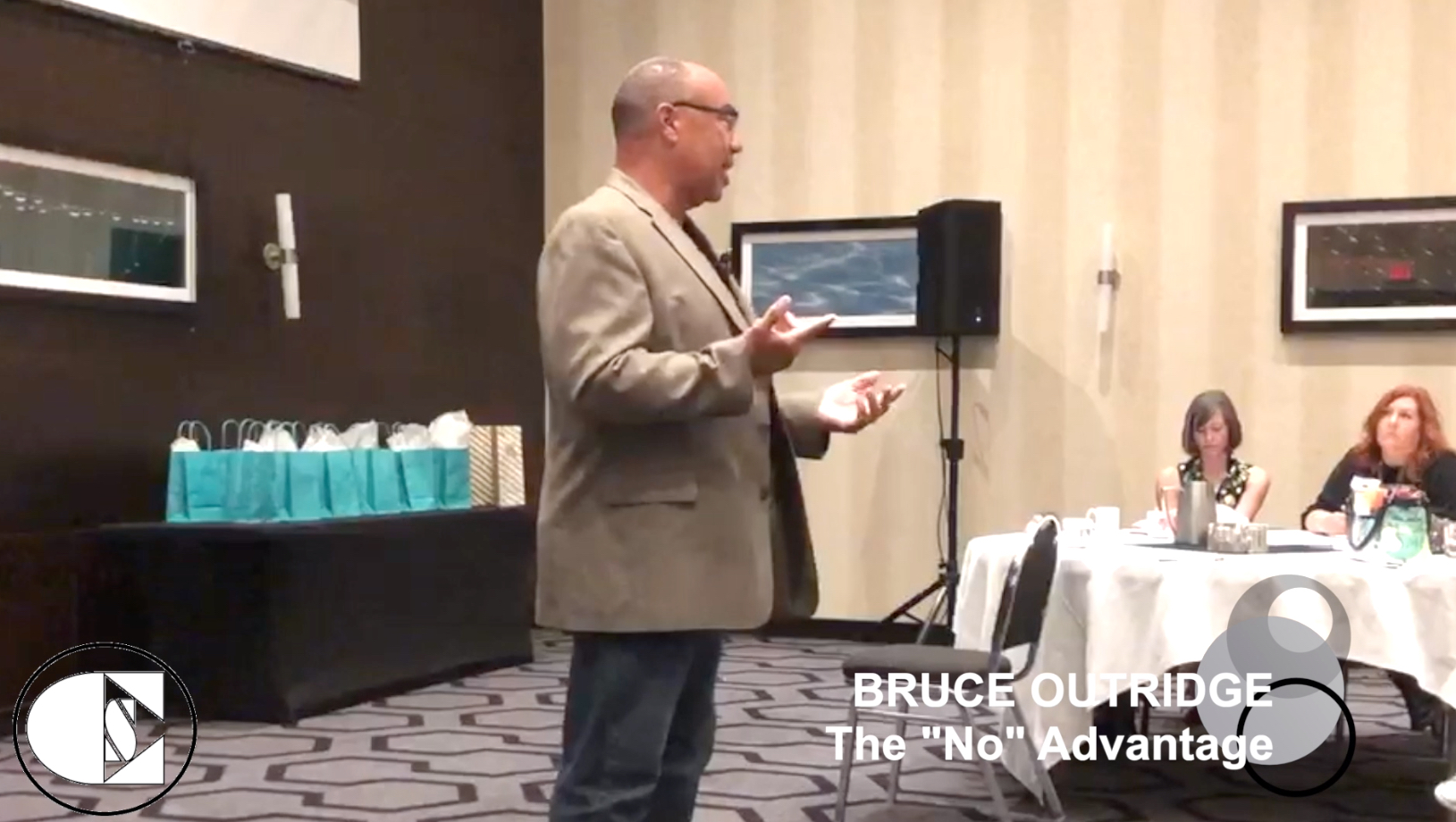
Book Bruce to Speak to Your Group
The Lead Pedal Podcast with Bruce Outridge

 The Lead Pedal Podcast
- An error has occurred; the feed is probably down. Try again later.
Bruce Outridge Productions





 Bruce Outridge